

- /
- Blog / Vibration Tables Testing in Automotive and Aerospace Component
Vibration Tables Testing in Automotive and Aerospace Component
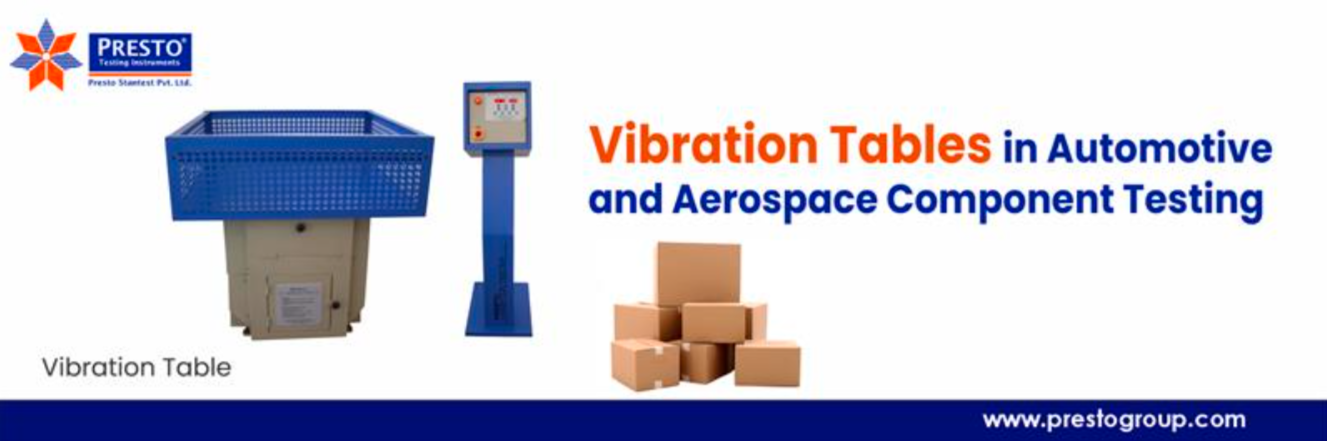
Automotive and aerospace parts must have the ability to survive constant shaking from roads, engines, airflow and repeated takeoffs and landings. Lab vibration is done to check whether a component is safe and reliable before it goes into a vehicle or aircraft. A vibration testing machine helps to recreate these forces in a controlled way, so failures show up early before it's ready to be used.
Test choices matter because different parts face different vibration patterns. A small sensor or an avionics box will not be tested the same way. Teams select the test profile, mounting method and pass criteria based on standards and then confirm results with repeatable data.
Where Vibration Testing Fits In Auto And Aerospace
Vibration testing supports product development, quality checks and supplier approval. It helps teams compare design options, confirm assembly strength and reduce warranty risk.
Vibration testing equipment uses a common setup with a controller, amplifier, sensors and a fixture that holds the part.The lab may use an electrodynamic shaker or a servo-hydraulic system depending on the load. Many engineers refer to the main platform system as a vibration shaker table, even though the full system includes more than the moving surface.
Typical Automotive Components Tested
Automotive vibration tests often focus on comfort, durability and connector stability. Many parts face broadband road vibration plus engine-related peaks.
- Wire harness connector, clamp and mounting brackets
- ECU, Infotainment unit and Telematics module
- Battery packs, cooling plates and sensor housings
- Interior assemblies that can loosen over time
Typical Aerospace Components Tested
Aerospace testing tends to be stricter due to safety margins and longer service cycles. Tests often reflect aircraft vibration zones and aircraft-specific duty cycles.
- Actuator assemblies, fasteners and structural brackets
- Cabin equipment, latches and seat mechanisms
- Instrumentation enclosures and cable routing hardware
Common Test Setups, Standards and Controls
Even a good profile can give misleading results if the fixture is too flexible or the part is mounted in an unrealistic way. So they control mounting, sensor placement and the test sequence. For that reason, most programs document torque values orientation and any preloads used.
Many buyers ask specifically for a vibration test table ASTM option because ASTM methods are widely referenced in supplier quality systems. In practice, engineers may combine ASTM guidance with internal specs and customer requirements, especially when the part has unique mounting or mixed-use conditions.
Clarifying Test Scope And Frequency
This vibration table setup is intended specifically for transport and transit vibration testing, which is the primary requirement for most customers. The purpose of this testing is to simulate vibration experienced during shipping and handling, not in-use operational conditions of automotive or aerospace systems. Tests are carried out in line with commonly accepted transport vibration standards such as ASTM D999, TAPPI T-817/T-17 or IS 7028 (Part II), as specified by the customer. For transit trials, the frequency is clearly defined at 2 Hz, 4 Hz and 6 Hz, representing typical truck and logistics vibration conditions. Testing outside this frequency range is not part of standard transport vibration evaluation.
Random, Sine and Shock Basics
Random vibration simulates many frequencies at once and is often used for durability screening. Sine vibration sweeps through frequencies and helps find resonance points. Shock testing adds short, high energy events that can represent impacts, drops or sudden load changes.
Standards, Frequency Settings and Test Controls
Recognized testing standards make data consistent among suppliers and customers. When buyers ask for a vibration test table ASTM setup, they usually mean compliance with accepted laboratory methods.
Standards Commonly Referenced
Professionally run labs refer to one or more of the following:
- ASTM D999 — Standard Test Methods for Vibration Testing of Shipping Containers and Systems
- TAPPI T-817 / T-17 — Vibration testing of packaging components
- IS 7028 (Part II) — Indian Standard for vibration testing of equipment and components
These documents define parameters such as frequency control, test duration and damage assessment. Using these ensures the outcome can be reproduced across different regions.
Frequency Range And System Limits
Standard transport vibration zones fall between 2 Hz and 6 Hz, which matches the default range of most packaging test machines. This frequency band represents the common vibration a shipped product experiences on trucks or forklifts. The setup can test:
- 2 Hz to simulate heavy truck road vibration
- 4 Hz to represent general highway or air‑cargo conditions
- 6 Hz for slightly rougher, high‑frequency transport vibration
If testing outside this range is requested, note that the equipment cannot perform beyond 6 Hz.
Transport And Logistics Simulation
Not all vibration testing is for the product in use. Shipping can loosen fasteners, damage PCB solder joints or crack housings, especially in long supply chains. A transport vibration test system is used to reproduce truck, rail and air cargo vibration patterns under controlled time and intensity.
Tests typically run repeated vibration cycles at 2 Hz, 4 Hz and 6 Hz, each aiming to simulate a different road quality. Duration depends on shipment type, often 1–4 hours per frequency band, to match real delivery times.
During the test, the sample may be rotated or swiveled at 0°, 30°, 60° and 90° angles to check sensitivity from different directions. After each frequency block, operators examine the packaging and components for visible wear or structural cracks. This helps determine when cushioning, fixing or padding must change.
For packed goods, labs may use a vibration table for packaging to evaluate how the carton, foam and restraints protect the item. This matters for sensitive electronics, precision sensors and calibrated assemblies where small damage can shift performance.
Fixtures, Sensors and Pass Criteria
Fixtures should be stiff and matched to the part, so the table movement transfers correctly. Accelerometers are placed at the control point and sometimes on the component to compare response. Pass criteria can include no cracks, no loosening, stable electrical output and no change in calibration after the run.
Selecting Equipment And Evaluating Cost Factors
Companies often compare systems by force rating, frequency range, payload capacity and controller features. They also review service support, spare availability and training, because a system that is hard to maintain can slow production. In real purchasing discussions, the team balances performance needs with budget and floor space.
When procurement asks about vibration table price, the most useful approach is to define the test requirement first. Prices vary based on shaker force, slip table size, cooling needs and whether the package includes fixtures and software. A small R and D lab may choose a compact system, while aerospace qualification work may require higher force, larger payloads and stricter calibration routines.
What To Ask A Supplier
A capable vibration table manufacturer should provide clear specifications, acceptance test data and calibration guidance. They should also explain limitations, such as payload derating at higher frequencies.
- Confirm force, velocity and displacement ratings under expected loads
- Ask about controller capabilities for random, sine and mixed profiles
- Review calibration options and traceability documentation
- Check installation needs: power, compressed air, cooling and foundation
Matching The System To The Application
Electrodynamic shakers fit many electronics and small to mid-sized assemblies. Servo hydraulic systems can handle higher displacement at low frequencies for heavy structures. If the use case includes both in-use durability and shipping simulation, some labs plan a system lineup that covers both, rather than forcing one setup to do everything.
Conclusion
Vibration testing helps automotive and aerospace teams find weak point before parts reach customers or flight lines. By selecting the right profile, mounting method and standard references, engineers can make results repeatable and meaningful. The best outcome comes when the test reflects real use and real transport risks and when equipment selection matches the required force, frequency and payload.
Contact Presto Group Today!
Eliminate hidden quality issues before they affect your valued customers with our range of vibration testing devices. Get a vibration testing table to ensure product durability.
Call us: +91 9210903903
Email: info@prestogroup.com
Visit: www.prestogroup.com
Recent Blogs
- Precision in the Air: How Humidity Chambers Enable Reliable Lab Testing
- Why ASTM D642 Standard Matters in Box Compression Testing
- Flexible Packaging & Pouch Testing Instruments Seal Strength, Barrier & Durability Testing
- Testing Instruments & Lab Equipment Complete Guide to Industrial and Packaging Testing Machines
- Paper GSM Testing Machine Measuring Paper Weight for Packaging Quality Control
Related Blogs
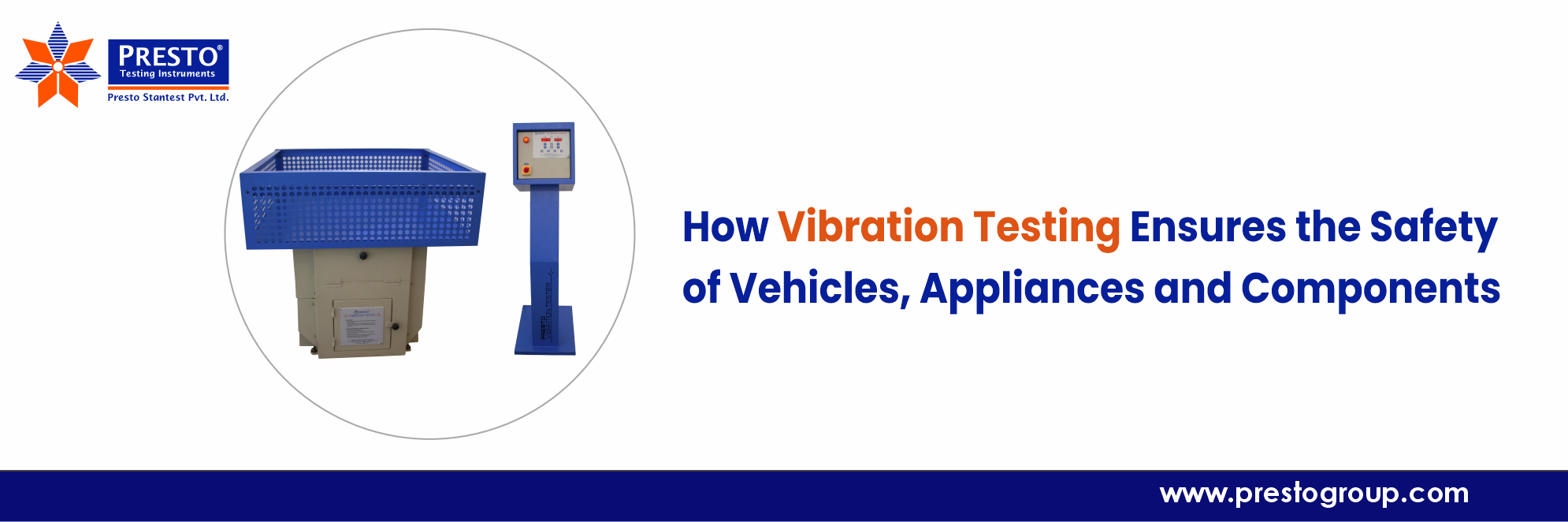
Vibration Testing for Ensuring Safety: How Does it Protect Vehicles, Appliances, and Components
Vibration testing helps prevent failures in vehicles, appliances, and components by detecting defects early.
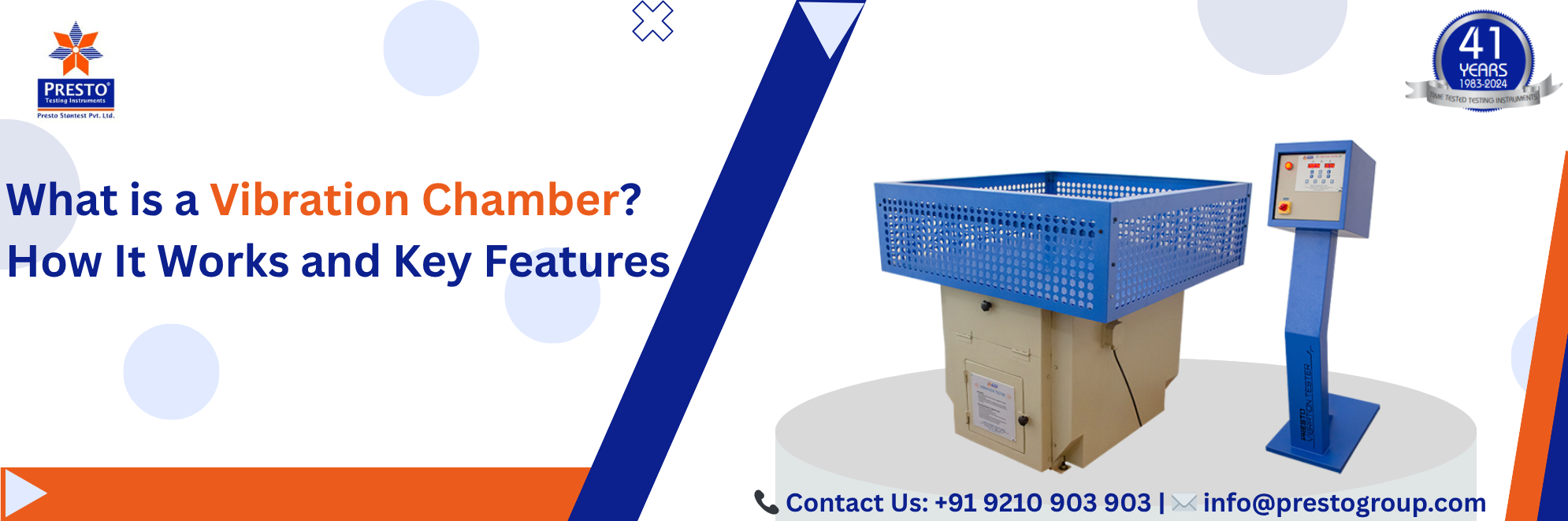
What is a Vibration Chamber? How It Works and Key Features
Explore everything about Vibration Chambers—definition, working, and key features. Find expert insights and the most affordable Vibration Chamber price in India.
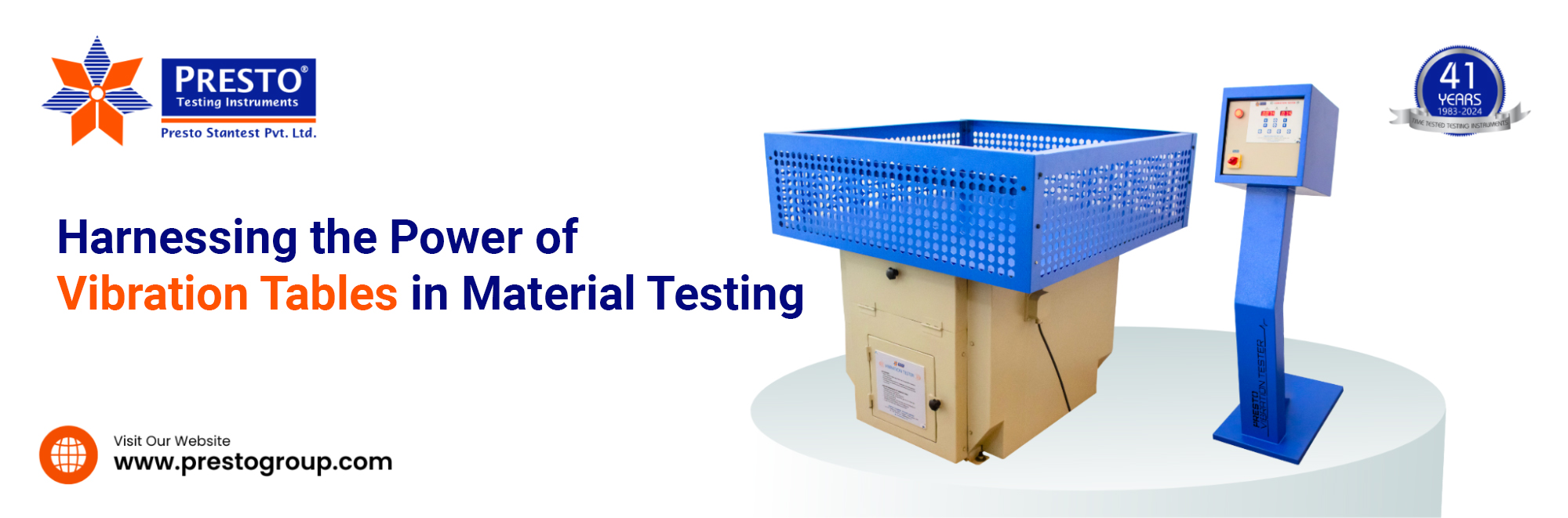
Harnessing the Power of Vibration Tables in Material Testing
PRESTO’s vibration table is manufactured and designed to ensure compliance with ASTMD999, TAPPI T-17, and IS 7028. Available in electrotechnical and electro-magnetic models as well.
.png)
How does Presto vibration table help with vibration isolation?
Vibration testing plays a crucial role in the paper and packaging industry to ensure the durability, integrity, and performance of various products and materials. In this industry, products often undergo extensive transportation, handling, and distribution processes, which expose them to various levels of vibration.