- /
- Standard / ASTM-D6862-11
ASTM D6862-11

Standard Test Method for 90-Degree Peel Resistance of Adhesives
Significance and Use
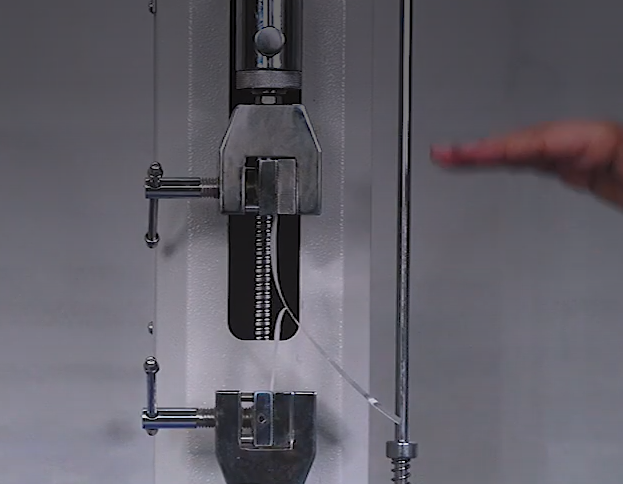
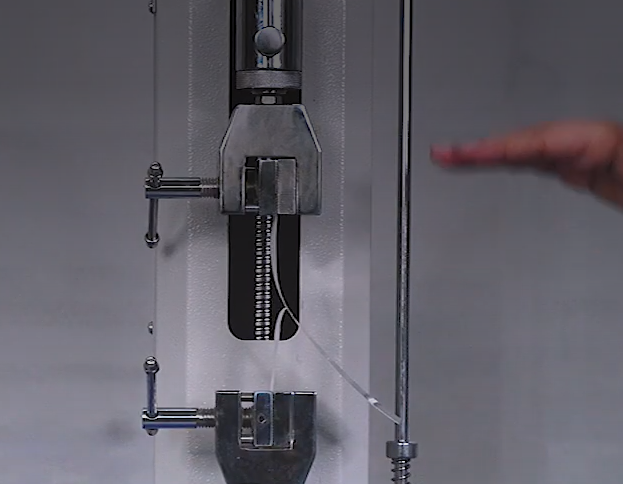
ASTM D6862 is a test method that is commonly used for measuring the peel resistance of adhesive bonds between flexible materials and rigid substrates under controlled 90° peel. For applications like automotive, packaging, medical devices and electronics, labels, laminates, and protective films, the standard is critical when the durability of the bond and peel performance directly impacts the quality of the product. The 90-degree peel arrangement offers accurate and repeatable force measurement during adhesive separation, making it suitable for quality control, supplier comparison, and product development activities. Presto Stantest offers advanced peel and tensile testing systems suitable for ASTM D6862 testing with controlled loading speeds, stable fixtures, and software-based result analysis for laboratory and industrial testing applications.
Scope
ASTM D6862-11(2021) covers measurement of peel resistance at an angle of approximately 90 degrees for bonded assemblies consisting of one rigid adherend and one flexible adherend. Adherend thickness directly influences measured peel values and must be agreed upon between the adhesive manufacturer and end user prior to testing. Where no thickness is specified by a material standard, the flexible adherend defaults to 0.60 mm and the rigid adherend to 1.60 mm. Adherent selection, surface preparation, bond application procedure, and specimen conditioning must all be defined and reported, as each of these factors can materially affect measured peel resistance. SI units are the primary standard throughout.
Notes
ASTM D6862 is commonly used for studying the peel resistance and adhesive bonding performance of flexible-to-rigid material assemblies used in packaging, automotive, medical, electronics, and industrial applications. Presto Stantest provides advanced peel and tensile testing systems suitable for ASTM D6862 testing with accurate force measurement, controlled peel testing conditions, stable gripping fixtures, and software-based reporting solutions for laboratory and production quality control environments.