- /
- Standard / IEC-62137-1-1
IEC 62137-1-1
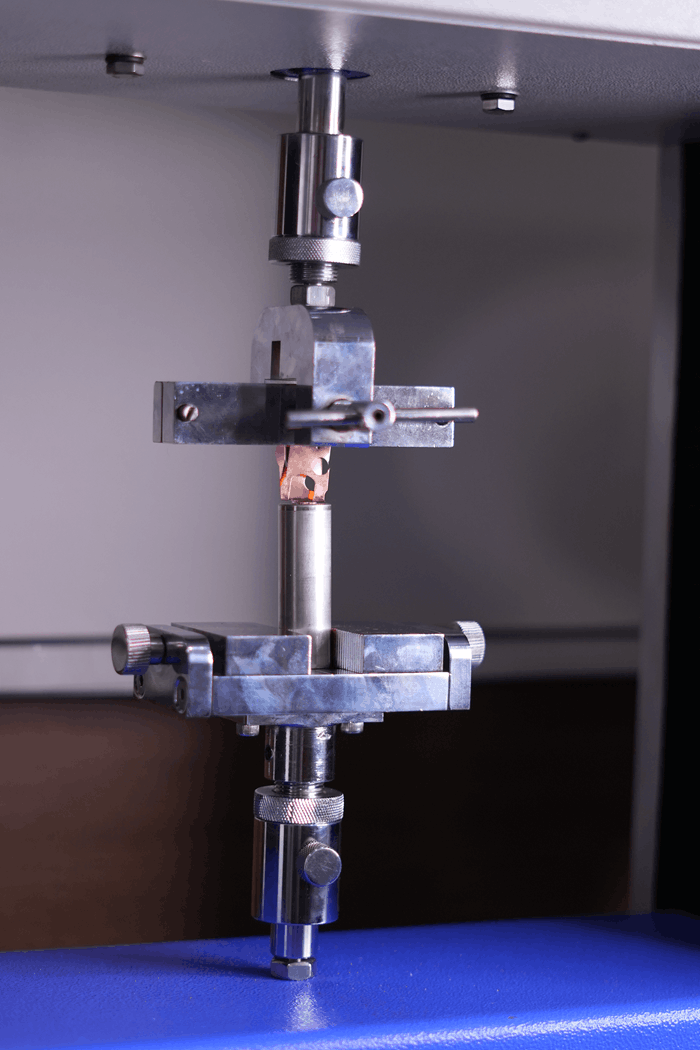
IEC 62137-1-1 is an internationally recognized standard published by the International Electrotechnical Commission that defines a standardized pull strength test method for evaluating the endurance of solder joints in surface mount technology (SMT) assemblies. Specifically applicable to gull-wing leaded components, this standard prescribes a structured testing procedure combining rapid temperature cycling with destructive pull strength measurement. At Presto, our tensile testing instruments support electronics manufacturers and quality laboratories in conducting accurate, repeatable solder joint evaluations fully aligned with this standard.
Significance
The change from tin-lead to lead-free solder alloys has changed the mechanical properties of surface mount solder joints, making standardized solder joint strength tests more important than ever before. IEC 62137-1-1 is an objective test method that evaluates how gull-wing lead-to-land solder connections are affected by repeated thermal stress that ranges from -40°C to +125°C for 500 to 1,000 times. This will allow electronics manufacturers to verify soldering processes, compare solder alloys' performance, and ensure that assemblies will survive reliably in the actual operating environment.
Scope
This standard applies exclusively to gull-wing leaded surface mount components soldered onto substrates via flow or reflow soldering methods. Pull strength is measured as the maximum force required to fracture the lead-to-land joint when a pulling tool applies force at 45° to the substrate surface, recorded with accuracy better than ±1% of measured values. Testing equipment must include a calibrated tension testing machine, a 45°-angled fastening jig, and an electronic force recorder. The standard references IEC 60068-2-14 for thermal cycling conditions and IEC 61190-1-3 for solder alloy specification requirements.