
- /
- Mechanical Testing Instruments/ Tensile Strength
Tensile Strength
Introduction to tensile strength
Tensile strength is a fundamental mechanical property that defines a material’s ability to resist forces that attempt to pull it apart. It represents the maximum tensile stress a material can withstand before failure. Measuring tensile strength is essential for confirming that materials can perform safely and reliably under expected loads.
From the steel beams used in construction to the fibres in high-performance textiles, tensile strength is critical in determining a material’s suitability for its intended application. In manufacturing, tensile testing ensures that metals, plastics, rubbers, and composites meet defined performance criteria. In automotive engineering, it verifies that safety-critical components such as seatbelt webbing and fasteners will not fail under sudden high loads. In construction, it safeguards the structural integrity of materials such as rebar, cables, and reinforced polymers.
Tensile testing enables engineers, designers, and quality control teams to validate that a material will perform as intended under service conditions. Establishing these benchmarks helps to mitigate the risk of premature failure, optimise designs, and meet safety and regulatory requirements.
Understanding the stress-strain curve
The stress-strain curve is a primary tool for tensile strength analysis. It shows how a material responds to an increasing tensile load, providing detailed insights into its mechanical properties.
When a specimen is loaded in a tensile testing machine, the stress (force per unit area) and strain (change in length relative to original length) are recorded. The resulting curve includes distinct regions:
- Elastic region: The initial linear section where the material returns to its original shape when unloaded. The slope of this region is Young’s modulus, a measure of stiffness.
- Yield point: The point where permanent deformation begins, known as yield strength.
- Plastic region: The area beyond yield strength, where deformation increases without a proportional rise in load.
- Ultimate tensile strength (UTS): The maximum stress the material can sustain before necking begins.
- Fracture point: Where the specimen fails completely.
The curve also reveals ductility, toughness, and elongation capacity, all of which influence material selection and design choices.
Some of our customers
Featured Case Studies
.png)
Cable and pipe pull-out force batch testing system
1 (2).png)
Presto Zeus Ultimo 3.0 for Direct Air Carbon Capture
.png)
Crush Strength Testing of Catalyst Pellets
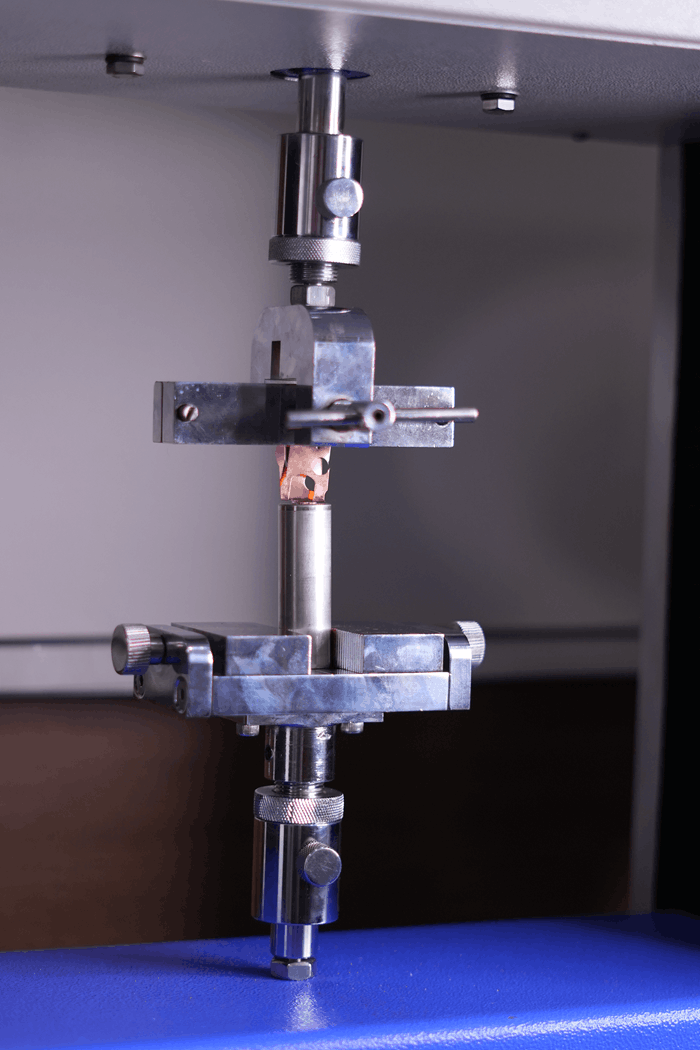
PCB pull and shear testing
.png)
Wine Cork Extraction Test to ISO 9727-5
.png)
Extraction Testing of Whisky Stoppers
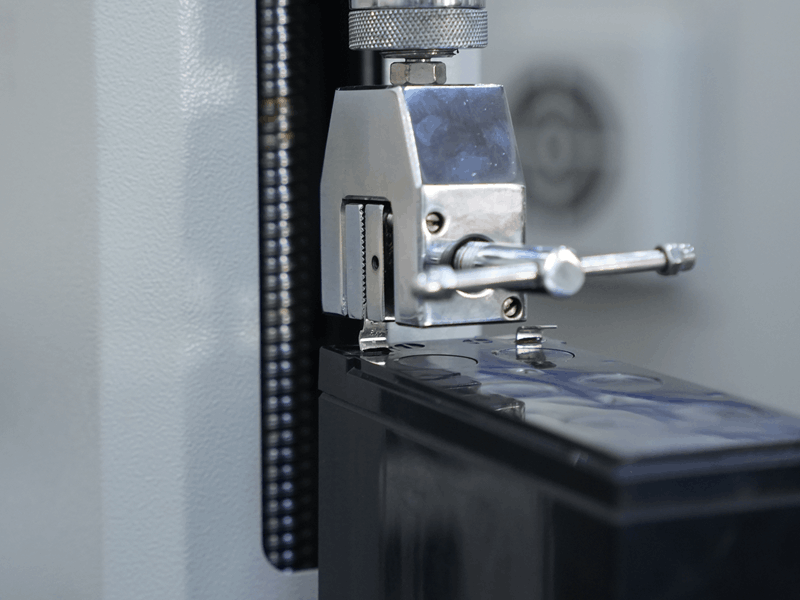
Battery Terminal Weld Tensile Testing
.png)
Adhesive test on capsulated stoppers in Packaging
.png)
Vial stopper needle penetrability residual seal force and torque testing
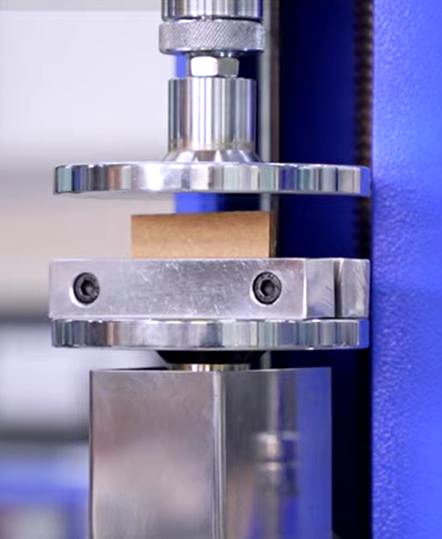
Edge Crush Test of corrugated cardboard in Packaging
.png)
Cosmetics Brush Pull-Out Testing
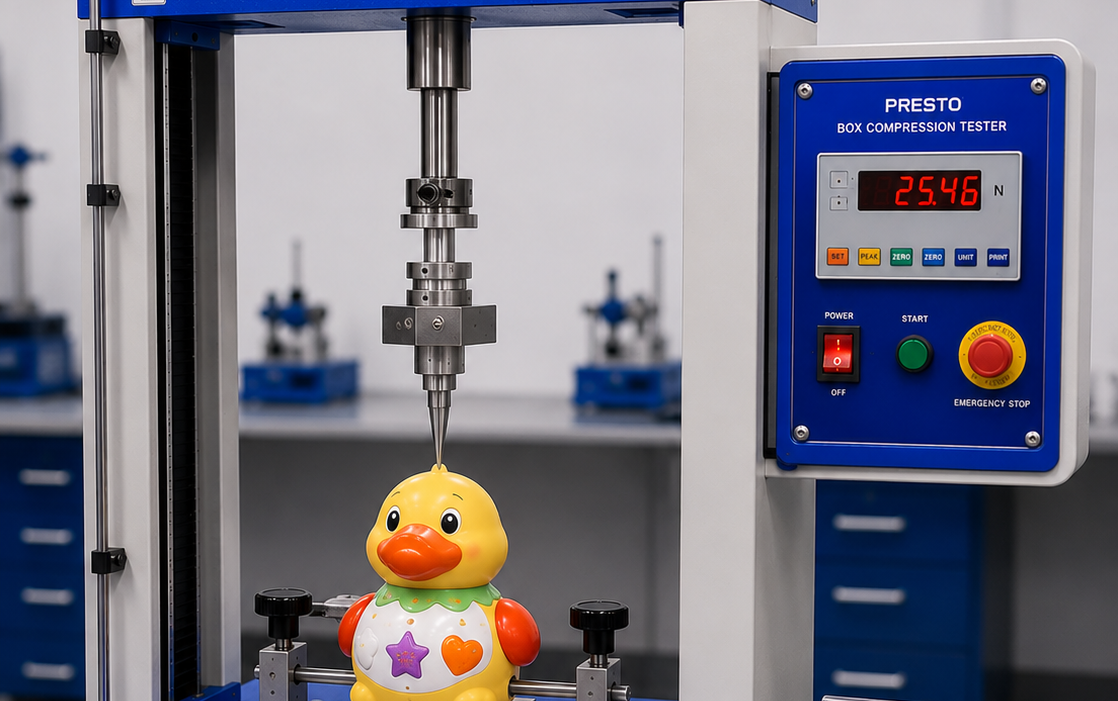
Nursery Toy Product Puncture Resistance Safety Testing
.png)
Crush Strength Testing of Catalyst Pellets
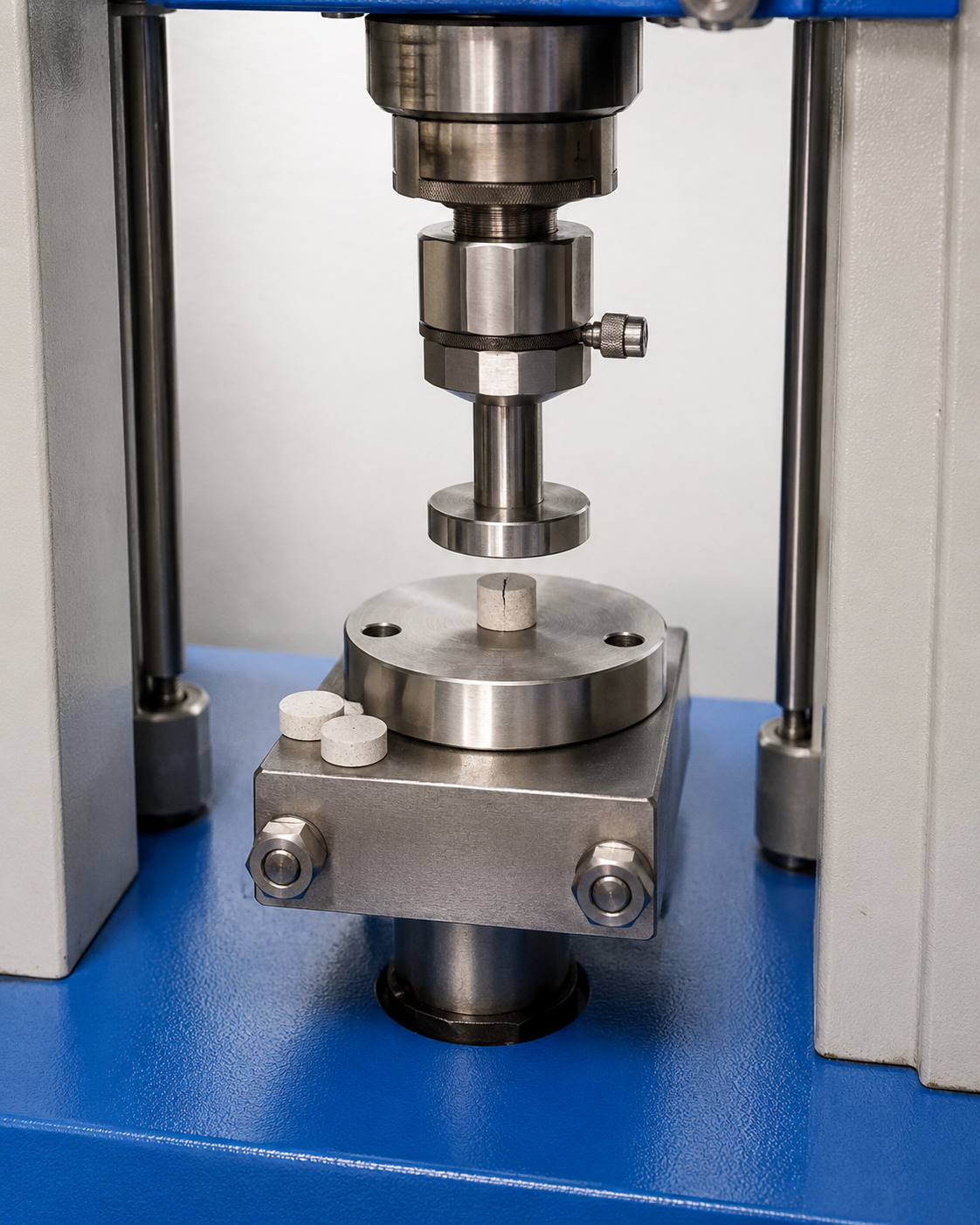
Crush Strength Testing of Catalyst Pellets
.png)
Watch bezel adjustment torque testing
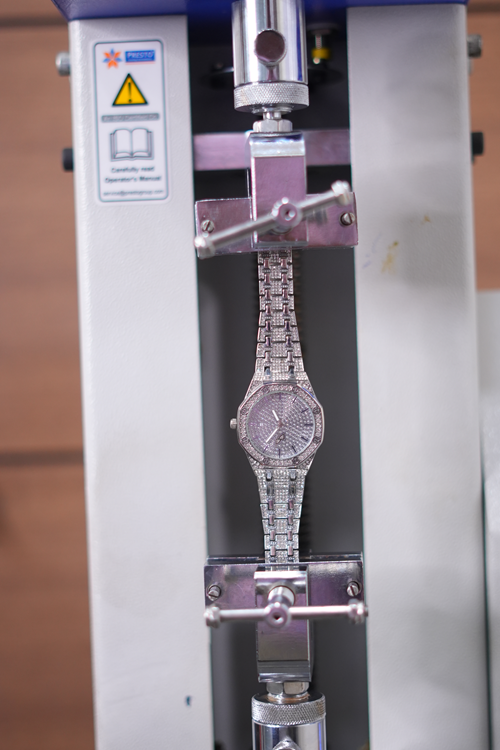
Force testing of watch components and attachments
.png)
Tennis Ball Compression Test
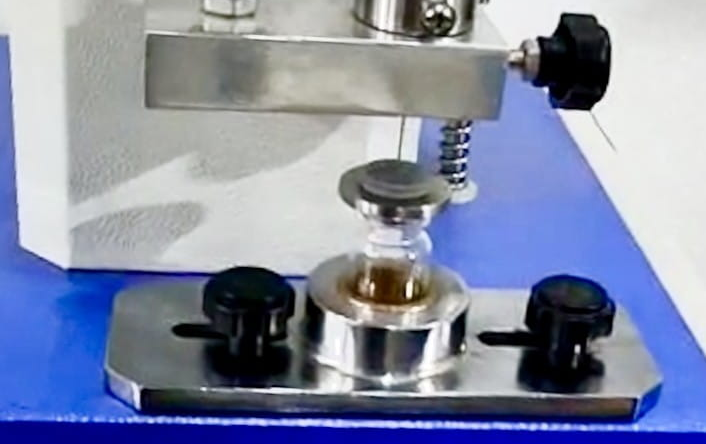
Vaccine Delivery Device and Packaging Testing
.png)
Jewellery Tensile Strength Testing for Safety and Durability
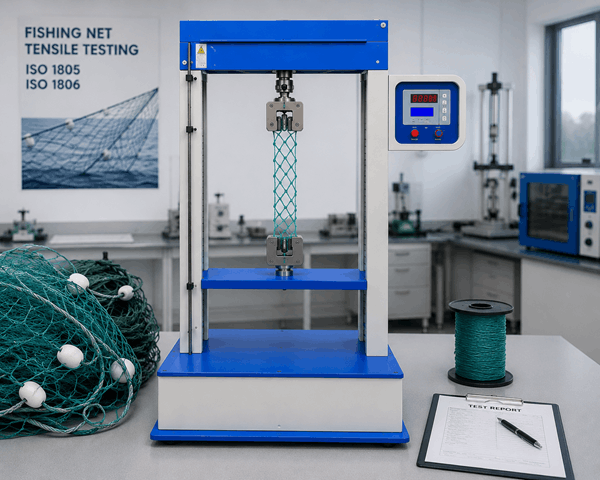
Fishing net tensile strength testing to ISO1805 and ISO1806
.png)
Synthetic sports surface tuft binding
 (1).png)
Clothing Button Pull-Off TTF Testing
.png)
Child Safety – Force Required to Access a Lighter
.png)
Face Mask Strength Testing
.png)
Vial stopper needle penetrability residual seal force and torque testing
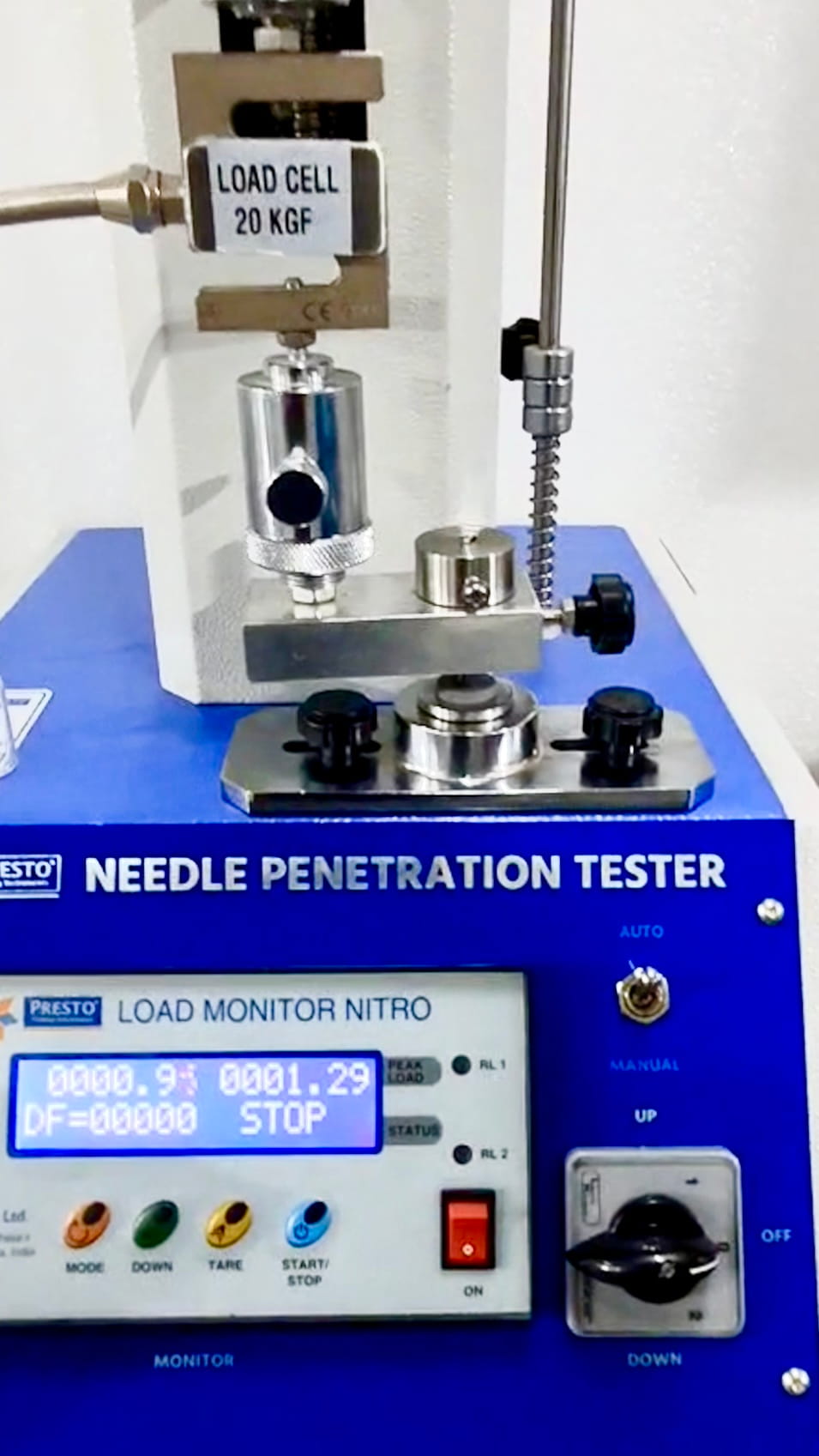
Vaccine Delivery Device and Packaging Testing
.png)
Spring Design and Manufacture
.png)
Tensile Testing of Metal Shutter Raw Materials
.png)
Railcar Spring Testing
.png)
Testing of Ventilator and Breathing Assistance Components
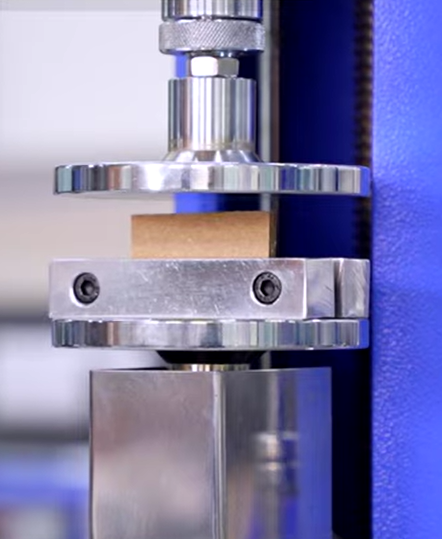
Edge Crush Test of corrugated cardboard
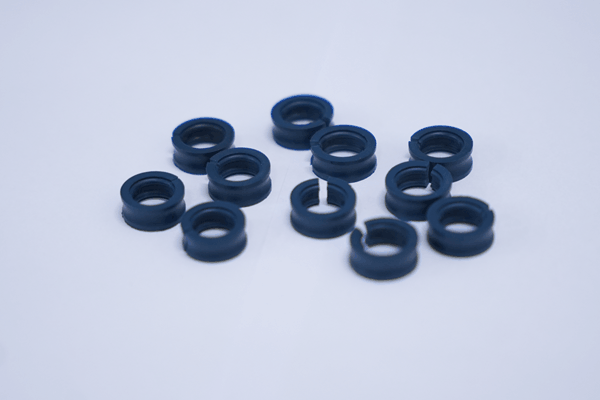
Testing Rubber to Materials Standards
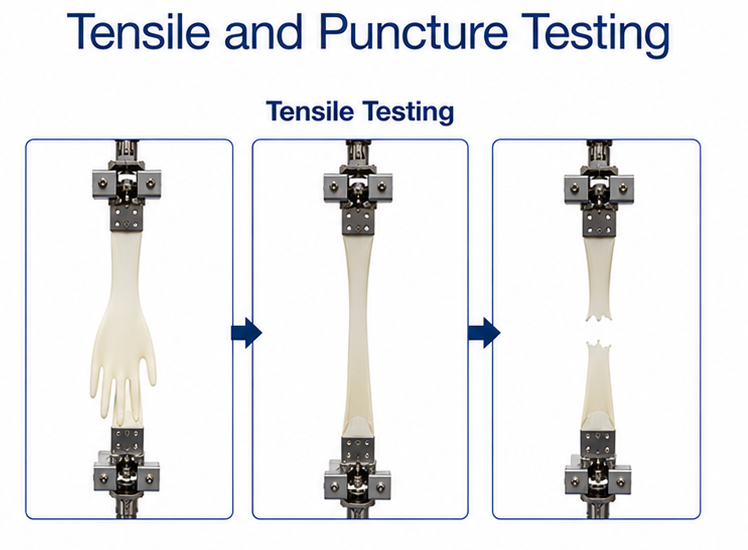
Surgical Rubber Glove Tensile and Puncture Testing
.png)
Anchorage Strength Testing of Roots for Resistance to Lodging
Client Application of the Zeus Ultimo 3.0 for Direct Air Carbon Capture
Standards
Featured Testing Standards for Presto Quality Solutions
ASTM D6175-03
ASTM D6175-03 (2019) is a standardized test method established to determine the radial crush strength of extruded catalyst and catalyst carrier particles.
BS EN 12209
This European standard, known as BS EN 12209, sets the conditions and methods for testing as well as the requirements of durability, strength, security, and function of mechanically operated locks and latches and their locking plates for building doors, window doors, and entrance doors.
BS EN 13411-3
BS EN 13411-3 is a European safety standard governing ferrules and ferrule-securing techniques used in steel wire rope terminations.
ASTM D4280-03
ASTM D4280 is an ASTM International standard specifying performance criteria for nighttime lane marking and defining raised markers that are extended life type, nonplowable, and retroreflective on the surface of pavements.
ASTM D622-99
ASTM D622 provides ASTM test methods that are suitable for testing conventional hose types used for operating air brake and vacuum brake systems, whether they are used on a single motor vehicle, or when used for a combination of motor vehicles as connecting or transmission lines.
SAE USCAR-38
This performance specification, SAE USCAR-38, is produced by the United States Council for Automotive Research (USCAR) and describes the basic test methods and requirements for ultrasonically welded cable termination-type connections, that are subjected to an ultrasonically welded connection with a bus, terminal, or device, including welded eyelet or battery connections.
*CORP Mastercard CQ
Mastercard CQM-ID 1.0 is a corporate quality management specification developed by Mastercard to establish standardized performance and quality requirements for smart card manufacturing.
Afera 5001
AFERA 5001 is a European testing standard made under the AFERA (European adhesive tape industry network) that establishes a method for testing the peel adhesion properties of self-adhesive tapes and therefore sets a common standard for defining peel adhesion properties of adhesive tapes for both producers and end-users.
ASTM D1781
ASTM D1781 is an ASTM International standard that determines the peel resistance of adhesive bonds between two materials with different physical properties, such as between a relatively flexible adherend and a rigid adherend or a relatively flexible facing of a sandwich structure and its core.
BS EN ISO 205
BS EN 205 is a European standard that sets out the test for the tensile shear strength of lap joints prepared with wood adhesives in non-structural use.
ISO 10373-1
ISO/IEC 10373-1 is an international standard that specifies the non-technology-specific test methods required to establish conformance of identification cards to the base requirements standards, for which the fundamental properties are defined in ISO/IEC 7810.
ISO 29862
ISO 374-4
ISO 7810
PSTC 101
ASTM C633
ISO 9073-3
ASTM C297
ASTM C393
BS 6319-2
BS 6319-3
BS 6319-6
BS 6319-7
BS EN 12090
BS EN 12311-2
BS EN 12430
BS EN 12697-23
BS EN 1607
BS EN 1608
EN 12089
EN 149
UL 486A-B
BS EN 12467
BS EN 1263-1
BS EN 520
*corp Ikea IOS-TM-005
ISO 21180
ISO 252
ISO 283
ISO 505
ISO 7622-1
ISO 7622-2
BS EN ISO 16409
BS EN ISO 22254
ISO 8627
BS EN 17394-2
ISO 20126
PD CEN/TR 17394-1
ASTM D2063/D2063M
CETIE Guide 12
BS EN 60794-1-21:20
BS EN 5057
BS EN 60352-2
IEC 62137-1-1
MIL AS23190A
IPC TM-650
SAE AS7928
ISO 14273
ASTM C133-97
BS EN 13942
BS 1726-3
*corp Coca-Cola SM
ASTM D2659
ASTM D7860-14
BS EN 17665
CETIE Guide 4
CETIE Guide 5
ISBT PTC-00002
ISO 9727-2
ISO 9727-4
ASTM D1894
CETIE Guide 1
CETIE Guide 2
CETIE Guide 3
CETIE Guide 3 (FR)
CETIE Guide 6
CETIE Guide 9
ISO 9727-5
NFB 57 100
ASTM D3577
ASTM D3578
ASTM D412-16
BS ISO 11040-4
NF S86-604
ASTM F2923
ASTM F2999
BS EN 71-1
ISO 6425
ASTM D5618-94
ISO 1805
BS EN ISO 1806
BS EN ISO 6892-1
*corp ITF TB 03/01
BS 5229
BS EN 14372
ASTM F963-17
ASTM F2132-01
BS 7548
BS EN 14477
BS EN 868-5
BS EN ISO 80369-20
ISO 11607-1
ISO 8362-7
USP 1207.3
ASTM D1709-03
ASTM D3354
ASTM D5748-95
ASTM D903-98
BS 2782-3: 360C
CETIE Guide 7
EN 22872
ISO 11897
ISO 527-3
ISO 6383-1
ISO 7765-1
ISO 8113
PSTC 8
USP <671>
ASTM D6252/D6252
BS EN 28317
BS EN ISO 8317
FINAT FTM2
ISO 13821
ISO 3037
TAPPI T 811
TAPPI T 838
TAPPI T 839
TAPPI T 556
BS EN ISO 11608-2
BS EN ISO 7886-1
BS EN ISO 80369-7
Cable and pipe pull-out force batch testing system
Presto Zeus Ultimo 3.0 for Direct Air Carbon Capture
Crush Strength Testing of Catalyst Pellets
PCB pull and shear testing
Wine Cork Extraction Test to ISO 9727-5
Extraction Testing of Whisky Stoppers
Battery Terminal Weld Tensile Testing
Adhesive test on capsulated stoppers in Packaging
Vial stopper needle penetrability residual seal force and torque testing
Edge Crush Test of corrugated cardboard in Packaging
Cosmetics Brush Pull-Out Testing
Nursery Toy Product Puncture Resistance Safety Testing
Crush Strength Testing of Catalyst Pellets
Crush Strength Testing of Catalyst Pellets
Watch bezel adjustment torque testing
Force testing of watch components and attachments
Tennis Ball Compression Test
Vaccine Delivery Device and Packaging Testing
Jewellery Tensile Strength Testing for Safety and Durability
Fishing net tensile strength testing to ISO1805 and ISO1806
Synthetic sports surface tuft binding
Clothing Button Pull-Off TTF Testing
Child Safety – Force Required to Access a Lighter
Face Mask Strength Testing
Vial stopper needle penetrability residual seal force and torque testing
Vaccine Delivery Device and Packaging Testing
Spring Design and Manufacture
Tensile Testing of Metal Shutter Raw Materials
Railcar Spring Testing
Testing of Ventilator and Breathing Assistance Components
Edge Crush Test of corrugated cardboard
Testing Rubber to Materials Standards
Surgical Rubber Glove Tensile and Puncture Testing
Anchorage Strength Testing of Roots for Resistance to Lodging