Whenever you're putting together a new thing, whether it's large or small, it's really important that you do it right. The screws and bolts must be of the right measure - slightly, not too tightly, and not too loosely - so that the entire thing is safe and works as expected. A mistake can cost you quite a lot with recalls and warranty issues, and the people may lose their trust in what you produce. This is the reason torque testers become very useful.
Torque is essentially one the twisting force that causes things to turn. In the process of building, it is noteworthy how much force is used when putting screws in. If the connection is too loose, the product may fall apart or break under the application of new force. On the contrary, if the connection is too tight, one can damage the threads or, even worse, break the screw, leading to the creation of problems.
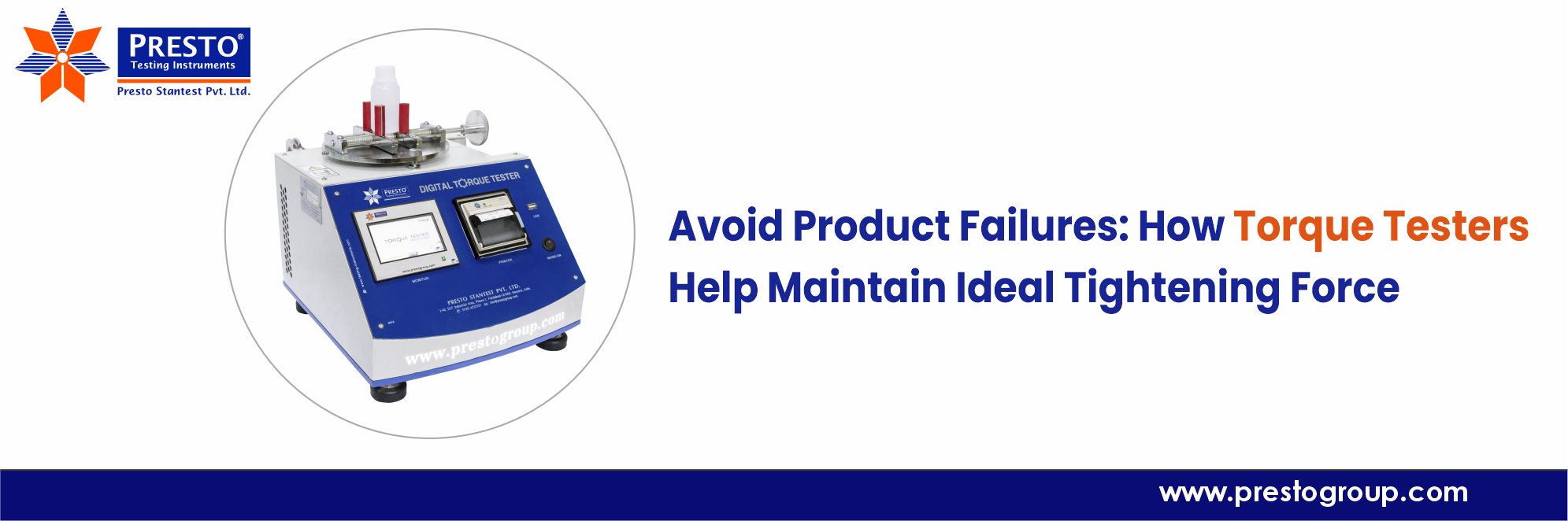
Imagine a soda cap. Too loose, and the drink spills or goes bad. Too tight and people can't open it, get frustrated, or even hurt themselves. That is the fine balance that must be struck, and it is exactly why a cap torque tester is so integral in everything from the Food and Beverage Industry to pharmaceuticals. These specialized devices measure the rotational force required to open or close a cap to ensure consistency for consumer satisfaction.
Torque testing has useful applications in practically every industry related to assembly or packaging.
Manufacturing and Assembly: Significant, specified torque values on critical components are required by automakers, aerospace, electronics, medical devices, agricultural, and heavy machinery manufacturers, and torque tester manufacturers. A good example is the importance of a torque wrench tester for calibration purposes of wrenches used on factory floors to ensure that exactly the same amount of specified torque is achieved every time it's applied.
Packaging & Bottling: The bottle cap torque tester is widely used in the industries such as food, beverage, cosmetic, and pharmaceutical to ensure the integrity of the product and ease of usage by the consumer.
Quality Control and Assurance: Torque testers find broad application in QA departments in all industries for routine product testing, confirmation of correct assembly, and problem-solving.
Research and Development: Torque testing allows the engineer to ascertain the ideal tightening specifications for new products and materials.
Torque tester makers build all sorts of devices to meet different needs, from simple handheld ones to fancy automated systems.
The basic operating principle of most torque testers includes a transducer that converts rotational force into an electrical signal. This, in turn, is interpreted and displayed as a torque reading.
A typical manual torque tester includes a chuck or fixture to retain the test item such as a bottle or fastener, and a display showing peak torque applied. The user manually applies force, and the device captures the maximum value.
For more specialized applications, consider how does a cap torque tester works. Okay, so basically, you put a bottle in this base thing, then the cap gets clamped to what's hooked up to the torque sensor. When someone twists the cap—left or right—the sensor gauges how much force is used and shows either the live reading or the highest amount of force applied. Advanced designs can graph the torque curve, yielding valuable information on the characteristics of the cap's seal and unseal behaviour.
The accuracy of a torque tester cannot be undermined, since without proper calibration, readings are usually not reliable; this defeats the purpose of testing. This explains why torque tester calibration equipment is equally important as the testers themselves. Calibration consists of taking the reading of a torque tester against a known standard and making adjustments as needed so that it gives a correct measure within specified tolerances. Keeping your gear calibrated—either by a certified lab or doing it yourself—is really important to keep your quality control up to par and follow the rules. It's a must!
So, you need a torque tester? Here's the deal:
First off, what are you testing? Bottle tops? Screws? Or the whole thing? That’ll tell you if you need a cap torque tester or a torque wrench tester, for instance. What torque range are we talking about? Testers are built for certain ranges. Do you have to keep records or reports, or need to a way to integrate the tester with your other quality control stuff? If companies think about these points, they can find exactly the right torque testing setup from solid brands.
That way, they can be sure their products are always great. The main thing to remember is it's not just about saving some money. Stopping product fails protects your brand keeps customers happy, and keeps your business running smoothly in today's tough world. Torque testers—from the simple handheld versions to the automatic setups—are key to getting all of this done. If bottle cap top tester manufacturers make sure they’re using the right tightness and checking their gear now and then, they can get ahead of problems make better products, and build customer relationships.
Achieve consistent product quality and avoid costly failures with accurate torque testing. Maintain ideal tightening force, reduce defects, and strengthen reliability using advanced torque testers from Presto. Get expert guidance and the right testing solution for your production line. Call +91 9210 903 903 or email info@prestogroup.com today!
Related Blogs
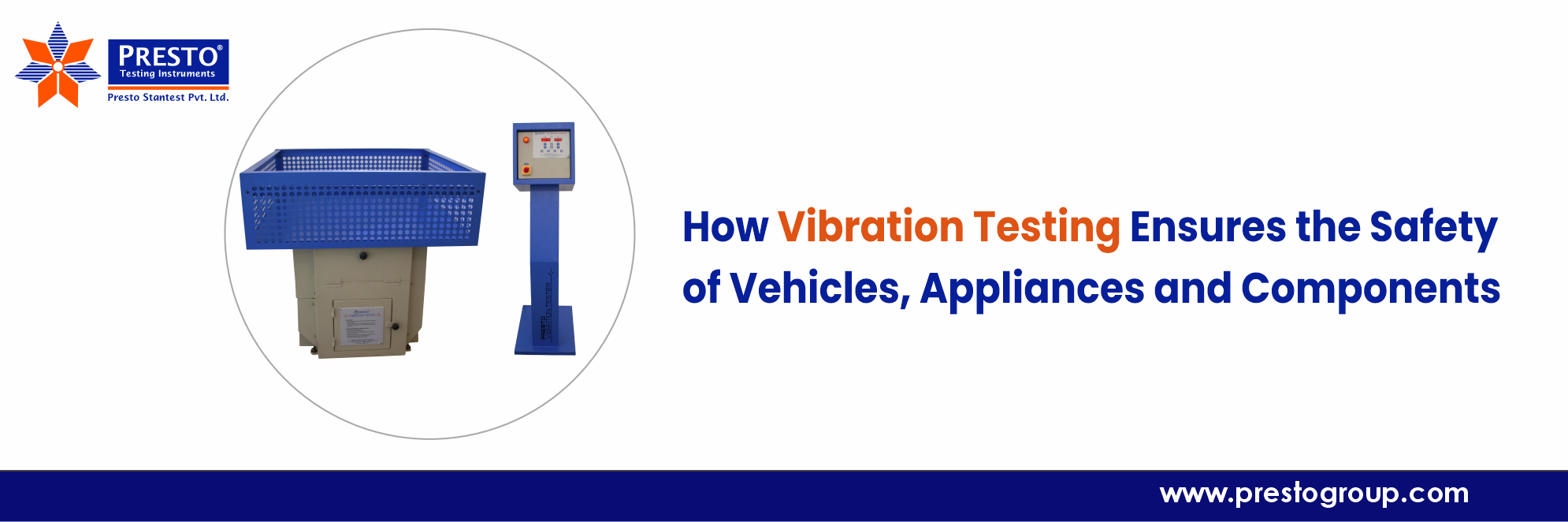
Vibration testing helps prevent failures in vehicles, appliances, and components by detecting defects early.
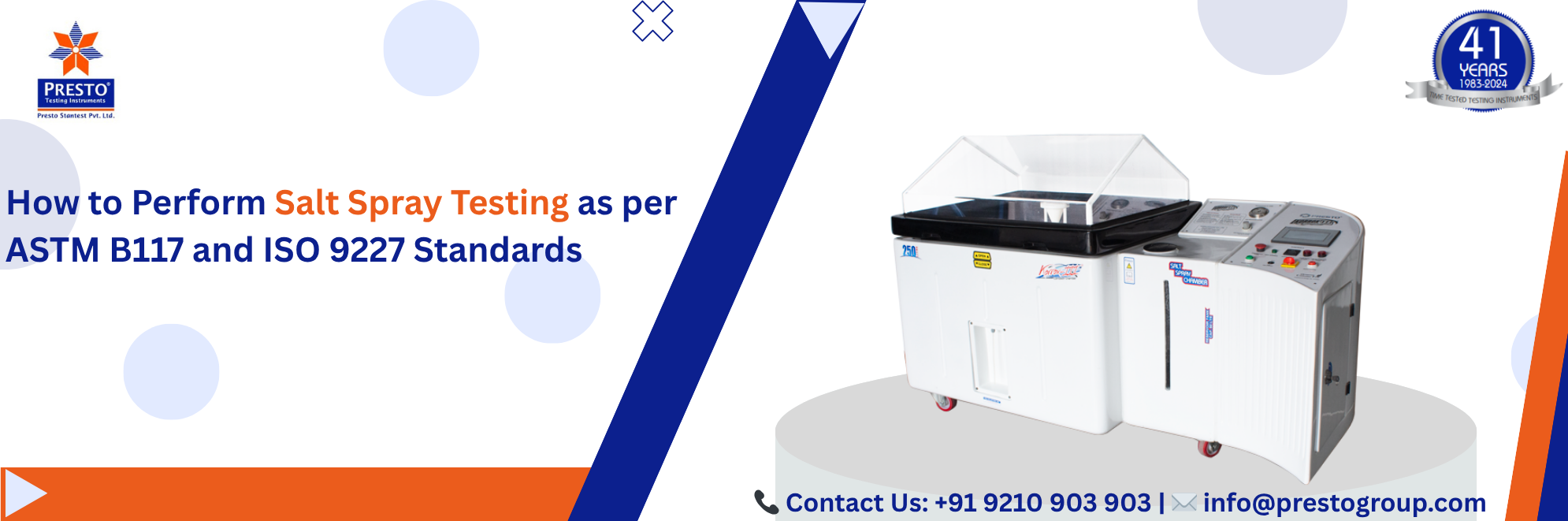
Explore ASTM B117 and ISO 9227 Salt Spray Testing procedures to ensure precise corrosion resistance evaluation and surface coating performance.
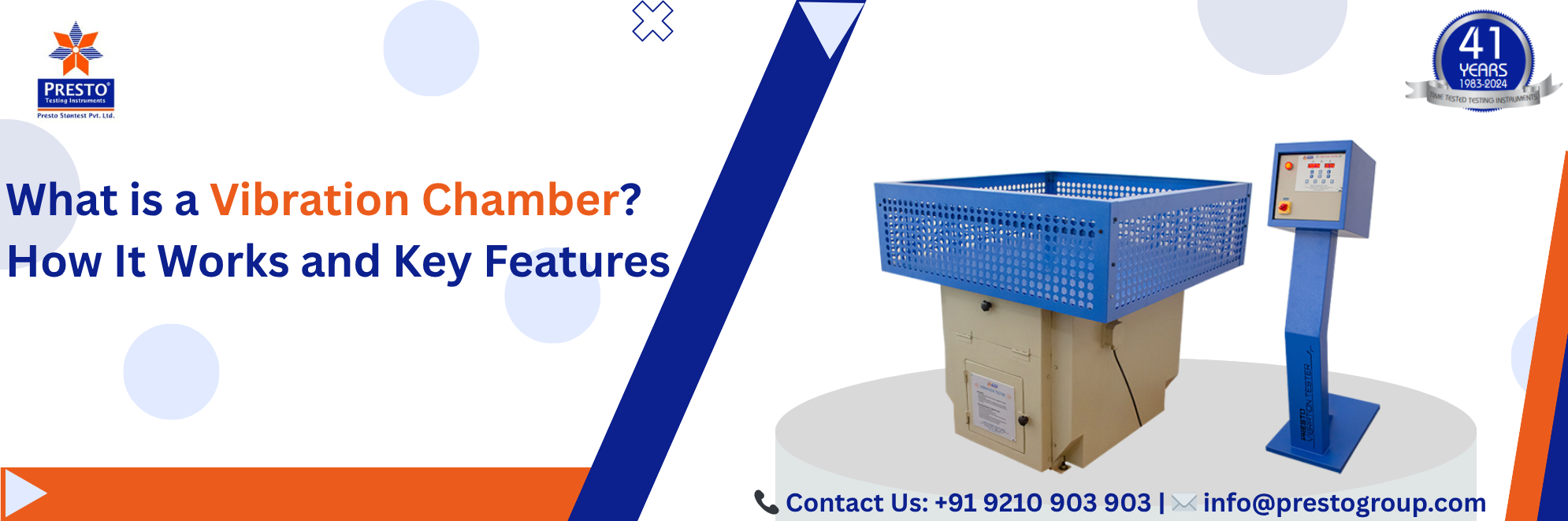
Explore everything about Vibration Chambers—definition, working, and key features. Find expert insights and the most affordable Vibration Chamber price in India.