
- /
- Mechanical Testing Instruments/ Automotive
Automotive
.webp)
Featured Case Studies
.png)
Motorcycle Switchgear Actuation Force Testing
With motorcycle switches and control modules rapidly evolving, the Presto Stantest software-controlled actuation force testing system has en...
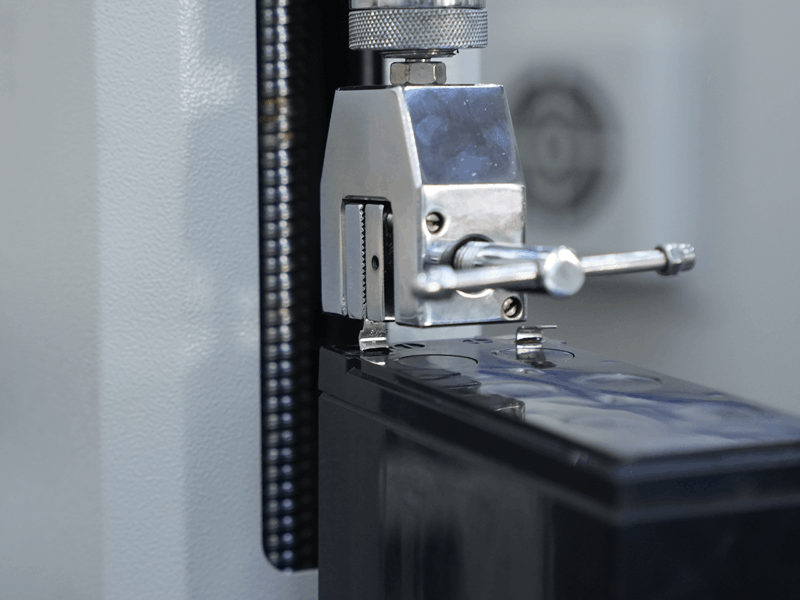
Battery Terminal Weld Integrity – Tensile Testing
Battery makers have used the Presto Stantest tensile testing system to accurately test weld integrity within the battery terminal directly o...
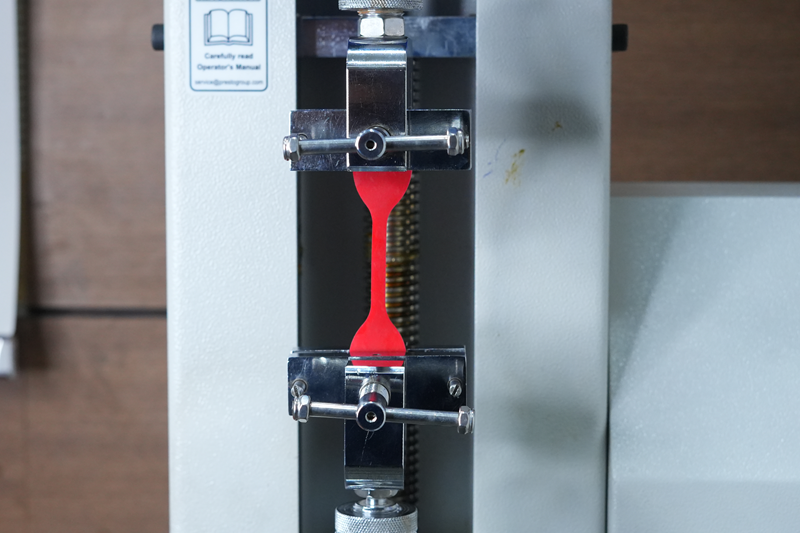
Tensile Testing of Rubber Gaskets
In industries where sealing performance is of utmost importance, a manufacturing company must ensure uniformity in the quality of the materi...
Standards
Featured Testing Standards for Presto Quality Solutions
ASTM D1623
Standard Test Method for Tensile and Tensile Adhesion
ASTM F88/F88M
BS EN ISO 3376
ISO 23910
ISO 3377-2
BS EN 843-1
ASTM F2592
SAE USCAR-21-4
ASTM D622-99
ASTM D622 provides ASTM test methods that are suitable for testing conventional hose types used for operating air brake and vacuum brake systems, whether they are used on a single motor vehicle, or when used for a combination of motor vehicles as connecting or transmission lines.
SAE USCAR-38
This performance specification, SAE USCAR-38, is produced by the United States Council for Automotive Research (USCAR) and describes the basic test methods and requirements for ultrasonically welded cable termination-type connections, that are subjected to an ultrasonically welded connection with a bus, terminal, or device, including welded eyelet or battery connections.
Automotive engineering is multidisciplinary by nature and integrates mechanical, electrical, software, and safety engineering to produce vehicles that are expected to perform and be reliable and safe to the required standards.
All the components, assemblies, and systems should be in agreement with regulatory expectations, in-house requirements, and expectations of the end-user.
Whether you are providing single parts, sub-assemblies, or aftermarket products, or producing entire vehicles as an OEM, it is necessary to ensure that there is consistency of quality and compatibility between the systems to avoid damage to the brand image and to avoid reliance on the product.
The automotive systems that will undergo thorough mechanical testing are key automotive systems, such as powertrains, chassis structures, electrical modules, interior elements, and auxiliary subsystems. These tests are done to test the functionality, durability, and safety of the product across its product lifecycle through simulated operating conditions.
Presto Stantest provides accurate testing solutions to automotive uses, such as
- Ergonomic efforts involved in opening, closing, and adjusting doors, windows, and other architectural elements
- Forces defining the performance of electrical system components
- Torque to actuate rotary controls
- Forces to actuate dashboard buttons
- Compression and tensile properties of springs
- Resilience of flexible plastic and rubber components
Mechanical strength, safety, and quality requirements relying on uniform and precise measurements with the help of reliable force and torque testing systems and strengthening brand confidence can be achieved.
The world leaders in the automotive manufacturing sectors and engineering institutions have placed trust in Presto Stantest solutions in testing components, assemblies, and complete vehicles. Our systems reinforce the advice of internationally perceived specifications like ASTM, BS EN, ISO, DEF, DIN, CEN, MIL, and VDI.
Our experience is not limited to automotive use, and we have a wider range of experience in the transport sector, involving rail, aerospace, and industrial mobility, and in all these areas, strong and proven test systems are equally important.
Related Products
.jpg)
TP310 Portable Color Measurement
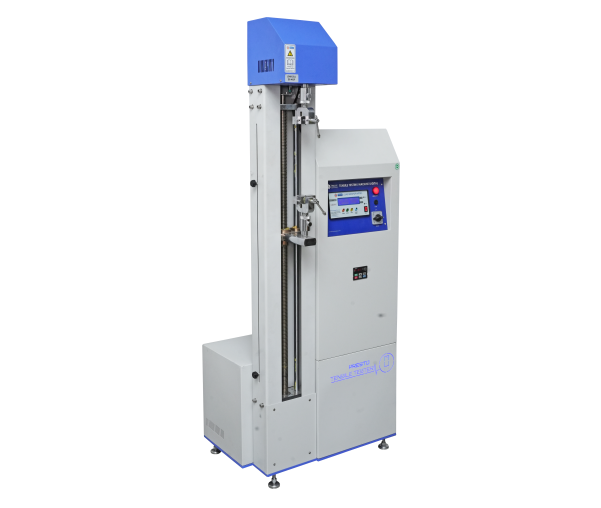
Tensile Testing Machine Digital
It is highly recommended for evaluating the tensile strength of products and materials. The equipment is based on the Constant Rate of Traverse (CRT) principle. It is equipped with an upper jaw and a lower jaw. Universal Tensile Testing Machine is a reliable piece of equipment which is widely used for checking tensile strength of a product/sample. One of the most common mechanical testing techniques used to determine tensile strength, this is a method wherein controlled tension is applied to a sample until it fully fails.
Thus, the material properties of the sample can be easily determined by this test. It involves measuring the force required to elongate a sample under test to breaking point. Using this test, manufacturers and quality managers are able to determine the core strength of their products.
Registered Design Patent No. 252611
Availability: In stock

IZOD/CHARPY Impact Tester Digital
The PRESTO IZOD/CHARPY IMPACT TESTER has been designed for assessing the impact resistance of plastics. Operated on the pendulum method principle, this equipment serves as a reliable instrument to gauge the impact resistance of materials when subjected to sudden falling force or impact. Users can accurately conduct charpy and izod test on the materials and ensure that accurate products will be delivered to the customers. The IZOD/Charpy Impact Tester stands as a consistent and indispensable testing equipment for accurately measuring the capacity of materials to withstand impact, contributing valuable insights into their durability and structural integrity.
In stock
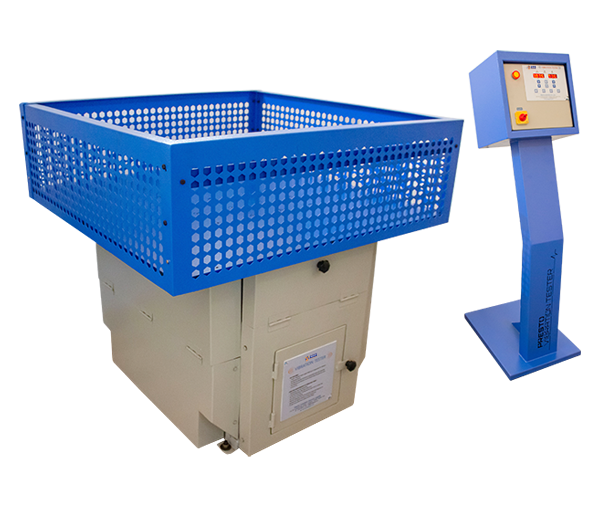
Vibration Table
Vibration Table is a precision testing instrument designed to simulate real-world transportation vibrations. It helps manufacturers evaluate product durability, packaging performance, and resistance to repetitive vibration before shipment. Vibration simulation is an efficient and cost-effective way of determining damage caused by the repetitive movement in the vehicles. In just a few hours we can pinpoint potential damage areas in your package or product caused by vibration.
Our Vibration Table is customizable. You can get a Digital, Computerised, or touchscreen Vibration table according to your sample testing needs! Be it swivel, synchronous, or asynchronous, test your sample to its fullest to ensure durability, long life, and zero rejections.
Presto Stantest is a leading manufacturer and reputed supplier of Vibration Tables in India. Get the best price now — contact us for expert guidance.
Availability: In stock
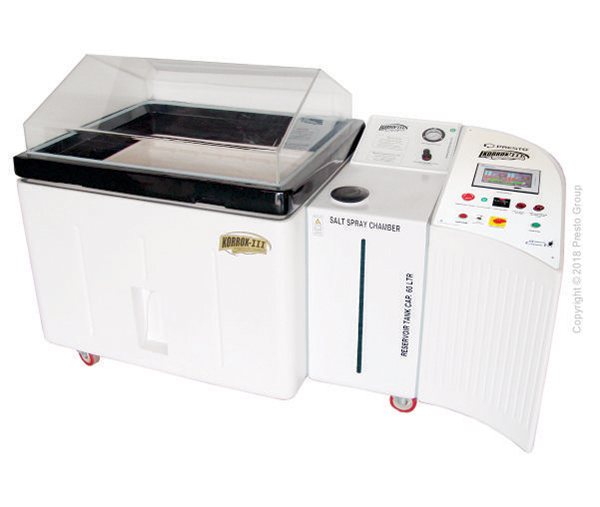
Salt Spray Testing Chamber
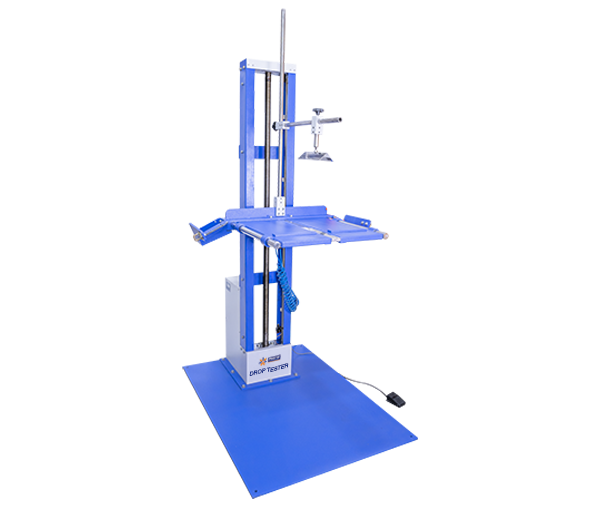
Drop Tester Motorised Pneumatic
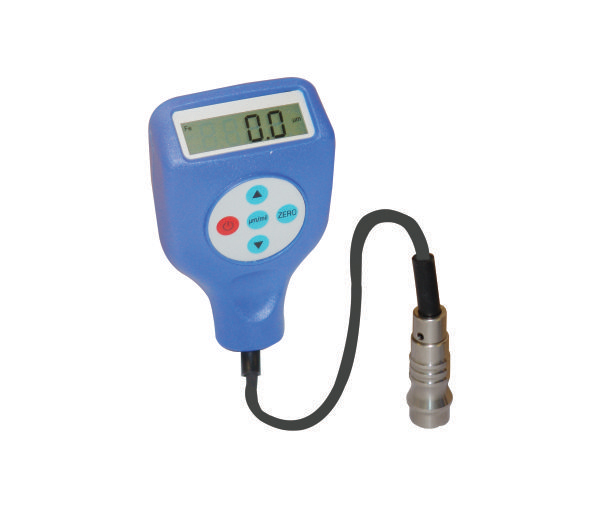
Coating Thickness Gauge Ferrous & Non Ferrous
It is one of the best product to measure the coating thickness measurement of ferrous and non-ferrous coatings. Designed ergonomically to use in on-site inspection, its portable nature makes it easy to use. It has a bright LCD display for easy reading. The machine has very simple operation and does not require special skills to operate the instrument. It is used to determine the quality and life expectancy of the thickness coating.
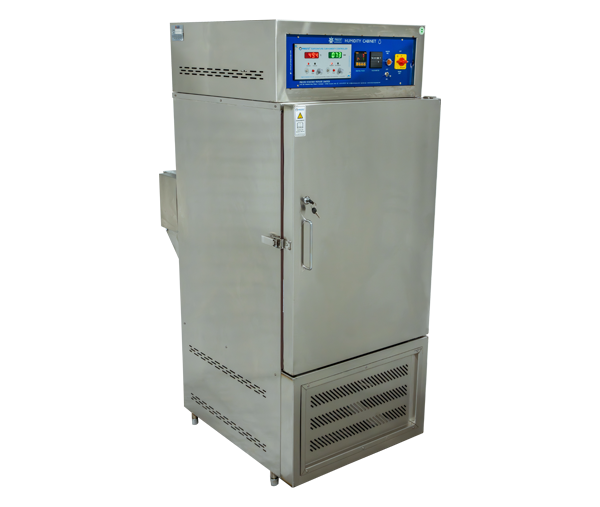
Humidity/Conditioning Chamber Deluxe Model
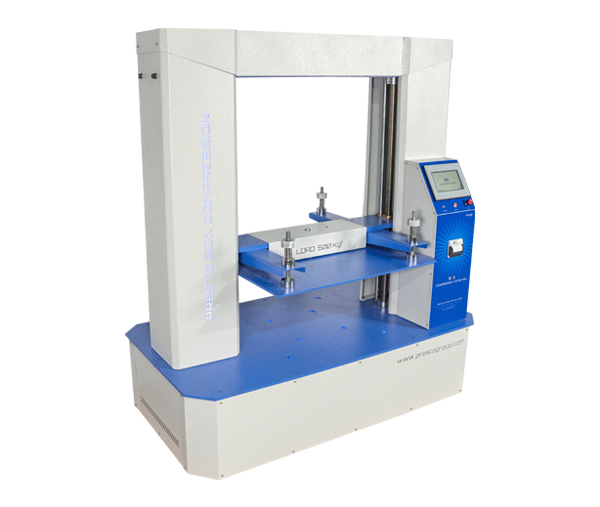
Box Compression Tester – NXG Generation Model
.png)
UTM Machine – zeus ultimo 3
Presto Stantest Universal Testing Machine (UTM) is a load-testing instrument that pulls or pushes a sample to measure its strength. The word "universal" is there for a reason — the same machine handles tension, compression, bending, peeling and shear, depending on the grip and fixture you fit to it.
Most people use it for tensile tests, where a specimen is gripped at both ends and slowly pulled apart. The force needed to break the sample tells you its strength, and the amount it stretches before breaking tells you about its flexibility. That is why the equipment is also known as a Universal Tensile Tester or a Universal tensile strength tester — the tensile test is its most common job.
In short, if you want one honest answer to "how strong is this material?", a tensile testing machine of this kind is the tool that gives it.
 (1).png)