
- /
- Blog / Digital Vibration Testing Machines: Advanced Technology for Accurate Material Testing
Digital Vibration Testing Machines: Advanced Technology for Accurate Material Testing
All products you buy face stringent tests before reaching your hands. A phone, a car part, or a packaged box must survive harsh physical conditions. The absolute most important check involves simulated shaking. A vibration testing machine checks how a product rattles during heavy transport. It simulates extreme conditions perfectly. This guarantees safety before the item leaves the factory floor.
How Vibration Testing Technology Ensures Product Strength and Transport Safety
Manufacturers cannot rely solely on visual checks to ensure safety. They absolutely need mechanical tools to prove structural durability before shipping. These specific diagnostic instruments form the absolute foundation of modern quality control. Factory managers use this equipment to simulate harsh real-world travel environments accurately.
Vibration Testing Machine: Definition, Working Principle, and Industrial Applications
These machines operate as strict quality control instruments. A vibration testing machine vibrates at a highly controlled rate against a product or raw material. This action accurately assesses overall strength and long-term performance. For example, your product might travel down a terrible, bumpy road. The equipment simulates that exact rough experience inside a clean laboratory, ensuring durability and reliability. This happens before the product ever leaves the factory.
These machines are used heavily across several major industries:
- Packaging facilities test whether boxes and cartons can withstand rough physical handling.
- Electronics companies see if delicate circuit boards snap when standing upright.
- Automotive builders conduct noise and harshness analysis on heavy vehicle parts.
- Aerospace engineers simulate high altitude vibrations on complex aircraft components.
- Construction firms test heavy concrete blocks and rigid structural materials.
How Does a Vibration Table Work?
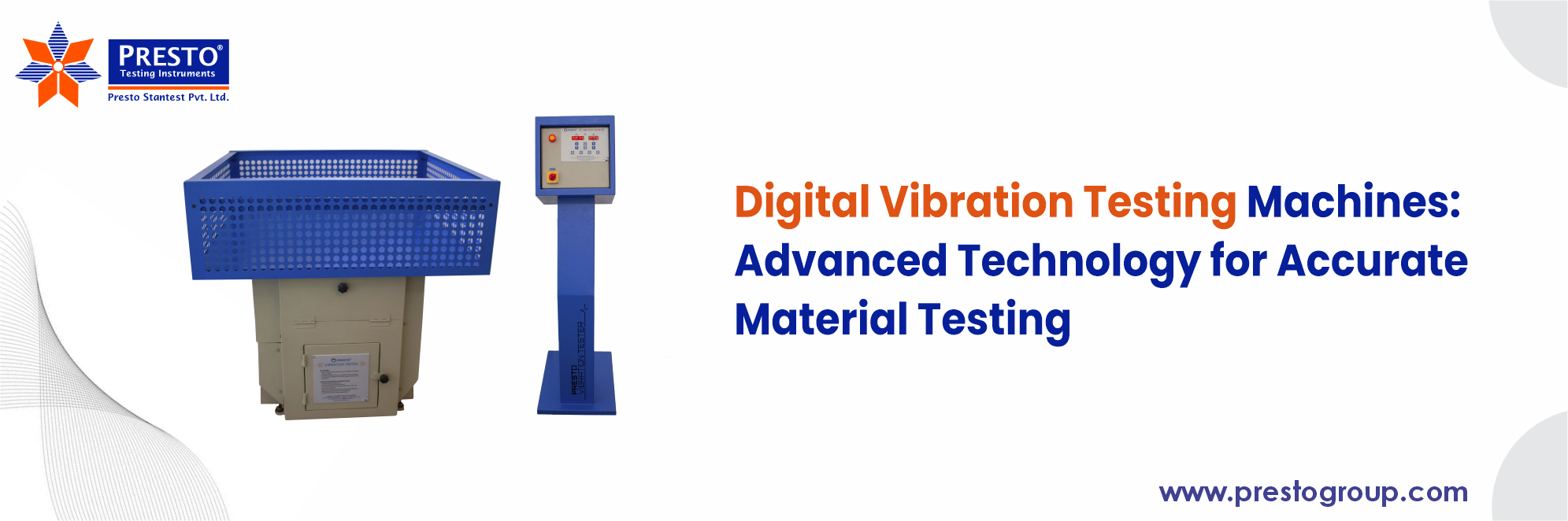
A standard table operates on a very simple physical principle. A heavy electric motor generates a highly controlled vibrating force. This intense energy transfers directly to a flat metal platform. The operator places the test sample securely on this platform. Modern vibration table design focuses heavily on three key engineering goals.
- A minimum mass keeps the fixture light to avoid overloading the mechanical shaker.
- Maximum stiffness completely eliminates unnecessary or uncontrolled background vibrations.
- High natural frequency ensures the table does not accidentally amplify unwanted loads.
Advanced models feature complex digital timers and bright LED displays. They also include slippage protection rails on all four sides. These safety rails keep the material securely in place during the entire test.
Types of Vibration Testing Systems
You will find several main types available from any professional vibration table supplier. You must match the specific machine to your exact factory requirements.
| Machine Type | How It Works | Best Used For |
| Electrodynamic Shake | Uses a strong electromagnetic force to generate rapid vibration | Electronics and precision aerospace parts |
| Servo Hydraulic Shaker | Uses massive hydraulic pressure for heavy load testing | Automotive frames and heavy machinery |
| Inertial Shaker System | Generates an immense force through a moving internal mass | Large civil structures and heavy bridges |
| 3D Vibration Test System | Simulates three different spatial axes simultaneously | Complex real-world travel conditions |
| Standard Vibration Table | Utilizes a heavy motor-driven flat metal platform | Basic packaging and heavy construction materials |
The three-dimensional test system ranks among the absolute most advanced options available today. It tests a physical product in all directions simultaneously. This closely replicates the actual real-world forces a product faces throughout its lifetime.
Engineering and Design Principles
Smart engineering separates a highly reliable machine from an average one. Factory managers must closely inspect the internal build quality. Excellent construction guarantees accurate laboratory data for many decades. Understanding the mechanical testing methods helps buyers operate the equipment safely.
Key Testing Methods Explained Simply
Running the machine requires specific technical programs. Operators choose different software profiles to simulate different physical environments. A good supplier provides software capable of multiple testing methods.
- Sine Vibration uses a smooth wave pattern to easily identify structural weak points.
- Random Vibration uses unpredictable frequencies that perfectly mimic real transport conditions.
- Shock Testing delivers sudden, sharp jolts to simulate severe drops or heavy impacts.
- Resonance Search finds the exact frequency where a physical product starts breaking down.
- Randomly mixed combinations yield incredibly complex product simulations for advanced engineers.
Vibration Table Design: What Makes a Good Machine?
The absolute best units include a rigid, welded steel frame for extreme long-term durability. They feature a digital control panel for highly precise frequency settings. Strong safety clamps completely prevent sample movement during intense physical testing. Standard models usually offer a wide frequency range spanning from 2 to 100 hertz. A variable-speed motor enables highly flexible testing conditions. An easy-to-read digital display provides crucial real-time monitoring. Proper vibration table design ensures test results remain completely consistent. Your data will remain repeatable and fully compliant with stringent global standards such as ISO and ASTM.
Why Digital Vibration Testing Machines Are the Future
Today's testing equipment works smarter and faster. Digital models now feature completely automated test programming. They provide real-time data logging directly to your connected servers. Artificial intelligence assists the smart control systems automatically. Remote monitoring allows managers to watch tests from entirely different buildings. These massive upgrades mean much faster testing cycles. You gain highly reliable results and achieve better compliance with strict international quality standards.
Purchasing and Vendor Selection Guidelines
Budget considerations heavily influence heavy equipment purchasing decisions. Costs vary wildly based on total load capacity and digital features. Picking the correct hardware vendor matters immensely for long-term success. A bad partner leaves you stranded with broken equipment and useless data.
Vibration Table Cost Comparison: Standard vs Heavy-Duty vs Digital Models
The final vibration table price depends entirely on the size and required customization. A basic iron table might cost between thirty thousand and fifty-five thousand rupees. A standard packaging table ranges from 55,000 to 1 lakh rupees. Heavy-duty construction models cost between 2.5 and 3 lakh rupees. Fully advanced digital systems start around five lakh rupees. High-frequency three-dimensional testing systems cost 7 lakh rupees or more. Always remember that after-sales support heavily influences the final invoice. Ask your vendor for a complete quote, including installation and a solid warranty.
Choosing the Right Vibration Table Supplier
- Search for vendors holding fifteen years of solid industry experience.
- Ensure the builder can customize the table size to fit your unique products.
- Verify that their machines meet strict international compliance standards perfectly.
- Demand strong technical support and rapid access to replacement spare parts.
- Look exclusively for partners holding verified client reviews and global industry certifications.
Leading manufacturers nationwide offer fully custom-built machines. They serve packaging labs, cement units, and massive electronics builders daily.
Investing in Vibration Testing Machines for Better Quality and Brand Protection
Quality control remains absolutely mandatory for continued business success. Skipping these tests invites massive product failures later. Smart investments protect your brand reputation completely. Upgrading your laboratory hardware secures your entire manufacturing future.
A robust testing unit serves as your ultimate quality assurance. You might test basic cardboard packaging or highly complex electronics daily. The right equipment helps you deliver products that survive the harsh real world. Understanding modern machine design helps you make smart purchasing choices. Comparing price options keeps your corporate budget completely safe. Finally, choosing a highly trusted vibration table supplier ensures the highest product quality. Contact a certified professional today for a free consultation and product demonstration.
 Upgrade your quality testing with advanced digital vibration testing machines for precise and reliable results. Get expert guidance and the best solutions tailored to your needs. Call +91 9210 903 903 or email info@prestogroup.com, or contact our experts today to book your free consultation.
Recent Blogs
- PET Preform Quality Test Using Preform Measurement Instruments — Step-by-Step Guide
- How to Test and Prevent Metal Corrosion Using a Salt Spray Chamber
- Autoclave in Laboratories and Industry: Principle, Procedure, Components, and Applications
- What is a Water Bath? How It Works, Types, Applications, and Diagram
- What is Adhesion Test? Standards, Methods and Industrial Applications
Related Blogs
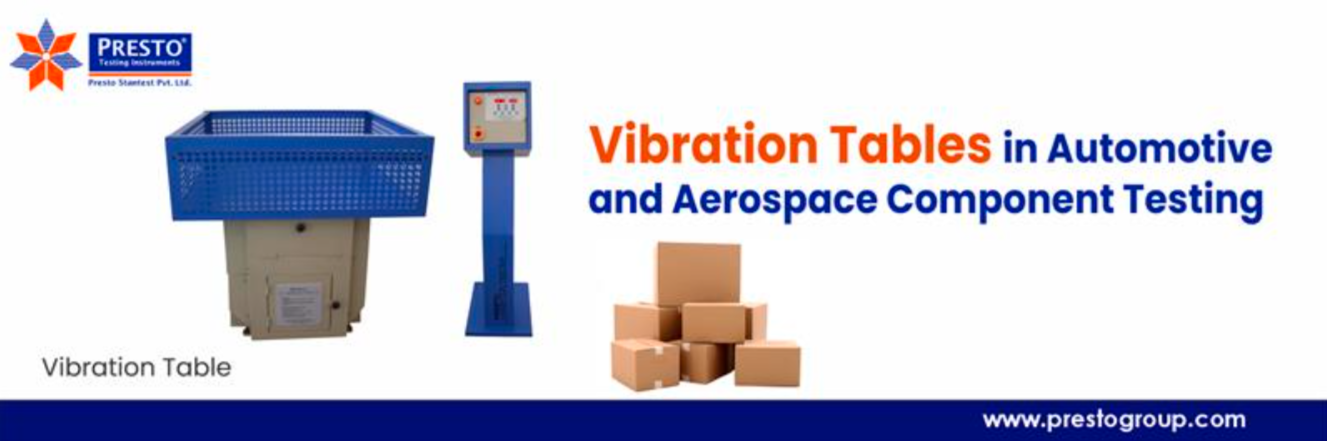
Vibration Tables Testing in Automotive and Aerospace Component
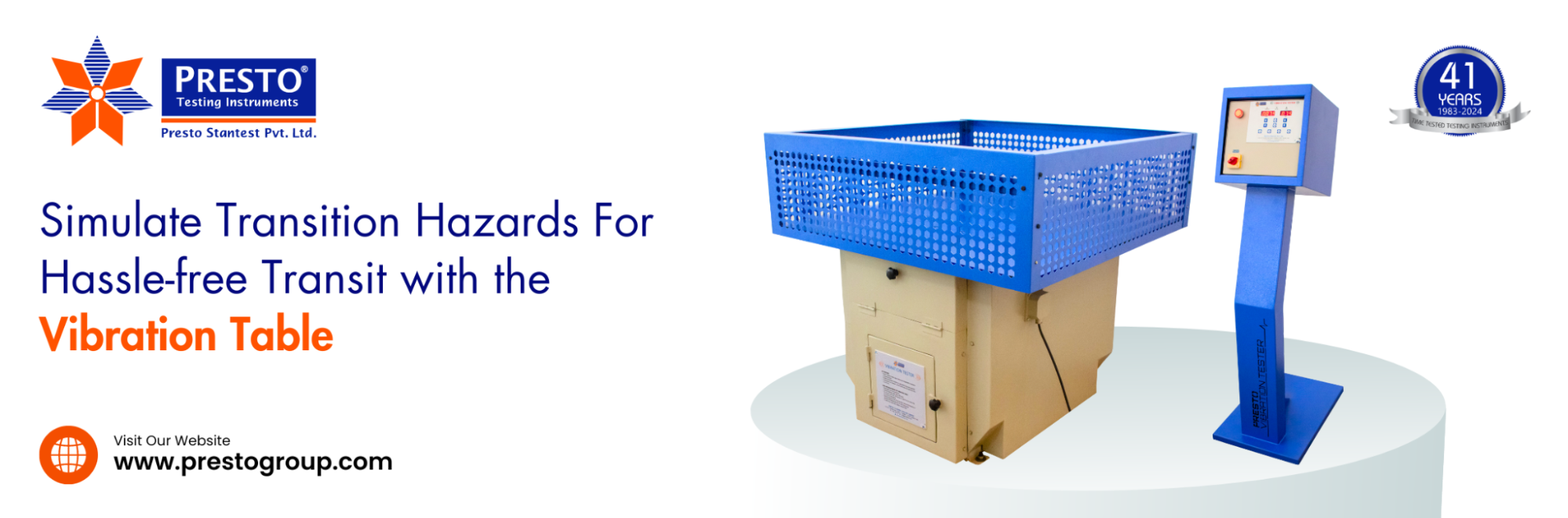
Simulate Transition Hazards For Hassle-free Transit with the Vibration Table
.png)
How does Presto vibration table help with vibration isolation?