
- /
- Blog / How Does a Box Compression Machine Optimise Packaging Performance?
How Does a Box Compression Machine Optimise Packaging Performance?
Packaging failure ruins valuable goods. Companies lose substantial capital when boxes break during transit. Guessing how strong a carton is creates significant supply chain risks. A box compression machine eliminates this guesswork by scientifically measuring the exact strength limits before the cardboard ever crushes under heavy loads. This rigorous testing process enables makers to engineer highly reliable packaging for harsh real-world transport routes. Replacing assumptions with hard physical data fundamentally changes how goods move across the globe.
Core Equipment for Accurate Packaging Strength Analysis
Modern logistics networks put intense stress on cardboard boxes. Packages can accumulate significant weight during prolonged warehouse storage. Engineers rely on accurate structural testing to prevent total box collapse. The right laboratory tool gives them irrefutable data to fix design flaws early in the development cycle.
Definition and Working Principle
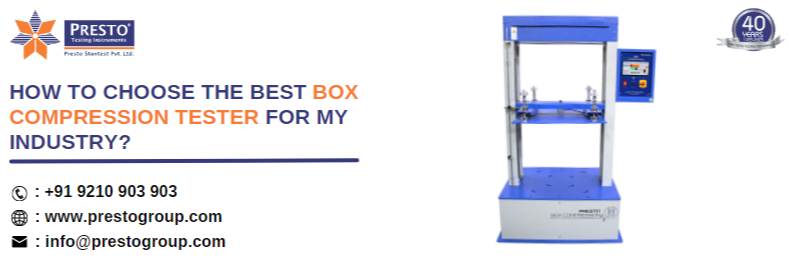
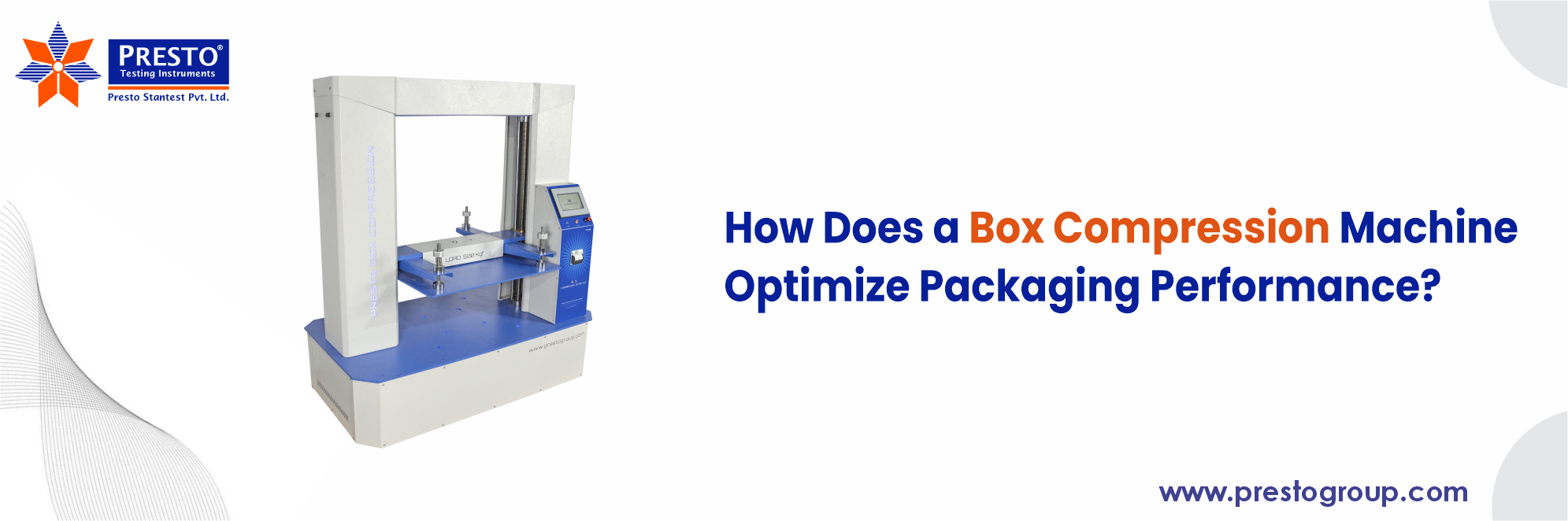
Industry professionals often refer to this device as a box compression test machine. It operates as a highly precise laboratory instrument. It tests the physical limits of rigid cartons, corrugated boxes, and other structural materials. The device pushes down steadily on a test sample. It records the exact moment the cardboard structure bends, deforms, or snaps completely. This crucial data tells engineers if the current packaging design works under actual shipping conditions.
Key Technical Features
Modern testing units pack serious engineering components inside. Measurement accuracy matters immensely for quality control. To guarantee perfect readings, these advanced machines utilise several specific parts:
- High-precision load cells ranging from 500 kgf to 1500 kgf capacities to handle varying box sizes.
- A lead screw drive mechanism providing straight, uniform motion without lateral skewing.
- Digital HMI touchscreen interfaces for quick test profiling and rapid data retrieval.
- Adjustable platen speed controls to meet different testing rules, including the specific 10 millimetres per minute rate set by ISO standards.
- Overtravel limit switches that halt the motor immediately to prevent severe equipment damage.
- Automatic calibration protocols that dramatically reduce human error during daily testing setups.
- Digital real-time displays showing live force graphs and immediate physical deformation values.
Step-By-Step Working Principle of the Equipment
Getting accurate results requires a highly controlled procedure. The device follows exact steps every single time. It applies steady pressure to capture true strength metrics safely. Laboratory workers depend on this strict routine to gather legally defensible data.
Preparation and Force Application
First, the operator places the empty carton on a flat bottom plate. Carved-out guides keep the sample perfectly centred. Misalignment skews the entire test. Next, the upper compression plate moves downward. It descends at a very steady pace. Usually, this speed stays locked at 12.5 millimetres per minute. High-precision sensors track the physical resistance instantly.
Data Recording and Mathematical Analysis
The internal system watches the downward load build over time. Eventually, the carton structure fails completely. The highest force recorded before structural failure becomes the primary box compression strength (BCT) value.
Engineers validate physical tests using a specific mathematical formula:
BCT = k × ECT × √(P × Z)
Here, ECT represents the Edge Crush Test value of the corrugated medium. The letter P stands for the total box perimeter. The letter Z signifies the overall box depth. Finally, k acts as a standard constant. The box compression strength testing machine proves whether the real-world physical box matches this theoretical engineering math.
Key Benefits for Packaging Optimisation
Raw numbers hold extreme value for manufacturing teams. They use these figures to fundamentally change how they build shipping containers. Better designs mean fewer broken products across the entire board. Overall corporate efficiency rises substantially.
Material Selection and Cost Control
Cardboard costs add up exceptionally fast for large manufacturing companies. Testing different paper grades shows the absolute minimum strength required for transport safety. This data helps teams safely choose cheaper materials. Reducing raw material waste saves significant capital each year while maintaining product safety.
Verifying Stacking Strength
Warehouses stack boxes extremely high to save floor space. The bottom carton takes intense, continuous crushing pressure. Testing simulates this exact cumulative weight load. It guarantees packages survive long storage periods safely. Modern e-commerce fulfilment centres demand this level of structural proof.
Evaluating Environmental Impacts
Temperature and humidity change paper strength significantly. Severe climate fluctuations alter test numbers by twenty per cent or higher. Labs test boxes in radically different artificial climates. This reveals exactly how packaging survives sticky tropical heat or freezing cold-chain logistics environments.
Design Validation and Prototyping
Packaging engineers test new designs heavily before approving mass production runs. They compare fresh prototypes against older box styles. This side-by-side comparison provides empirical evidence. It removes the massive financial risk associated with launching unproven boxes into the public field. Touchscreen panels let workers save specific test profiles, making future design upgrades incredibly fast and totally data-driven.
Quality Control in Production
Routine batch testing keeps daily production quality completely stable over long periods. Managers track compression values across entirely different manufacturing shifts. Dropping numbers reveal huge problems early on. Sometimes the raw paper degrades. Sometimes a supplier cuts corners. Catching these hidden defects quickly stops bad packaging from ever reaching the final loading dock.
Procurement and Industrial Applications
Buying expensive lab gear demands careful financial planning. Managers must match their technical testing needs with strict global compliance rules. Different industries require entirely different machine capabilities. Choosing properly guarantees long-term operational success.
Navigating Standards and Selection
A trusted box compression tester manufacturer builds units in accordance with strict international standards. Key testing standards include ASTM D642 for basic shipping containers and ASTM D4169 for system performance. TAPPI T804 covers fibreboard boxes specifically. ISO 12048 mandates tests under standard atmospheric conditions until complete collapse. Finally, JIS Z0212 serves as the Japanese industrial benchmark. Following these exact rules remains mandatory for global export safety.
Buyers evaluate load capacity, display types, data output options like USB connectivity, and safety features closely. The final box compression tester price depends heavily on these technical add-ons and digital automation levels. Entry-level units cost significantly less, while fully automated multi-standard machines command premium pricing.
The Critical Role of Calibration
Regular calibration keeps every test strictly accurate. This maintenance proves that all load cells and speed controls operate within highly specific tolerances. A test done today must match a test done six months ago perfectly. Top builders strongly advise using certified reference weights. Technicians must maintain strict paper trails for these calibration checks. Proper documentation always satisfies demanding quality audits.
Broad Industry Uses
Many different sectors use this advanced testing equipment daily. The applications span across multiple global fields:
- Fast-moving consumer goods companies ensure retail grocery boxes stack safely.
- The medical sector validates secondary medicine packaging for strict regulatory compliance.
- E-commerce businesses test shipping cartons against rough automated sortation systems.
- Industrial groups test heavy composite crates used for heavy machinery parts.
- Beverage companies verify multi-pack carriers survive damp cold storage conditions.
The Importance of Box Compression Testing in Supply Chains
Testing packaging strength remains absolutely mandatory today. Sending unverified boxes into the shipping network leads directly to damaged goods and angry buyers. Implementing scientific testing removes the risk entirely. Companies build tougher, lighter, and much cheaper boxes using hard data. Consistent testing builds absolute confidence in the global supply chain, ensuring products arrive in perfect condition every single time.
Enhance Packaging Strength with Advanced Testing Solutions
Ensure your packaging delivers maximum protection and durability with a high-quality Box Compression Machine. Our experts provide reliable guidance to help you choose the right solution for improving packaging performance and minimizing transit damage.

Call us: +91 9210903903
Email: info@prestogroup.com
Get in touch today and take the first step toward stronger, safer, and more efficient packaging.
Recent Blogs
- Peel Strength and Heat Seal Strength Testing for Flexible Packaging
- Industrial and Laboratory pH Meters: Working, Diagram, Uses and Selection Guide
- Industrial Leak Testing: Methods, Technologies, Benefits, and Industry Applications
- PET Preform Quality Test Using Preform Measurement Instruments — Step-by-Step Guide
- How to Test and Prevent Metal Corrosion Using a Salt Spray Chamber

Related Blogs
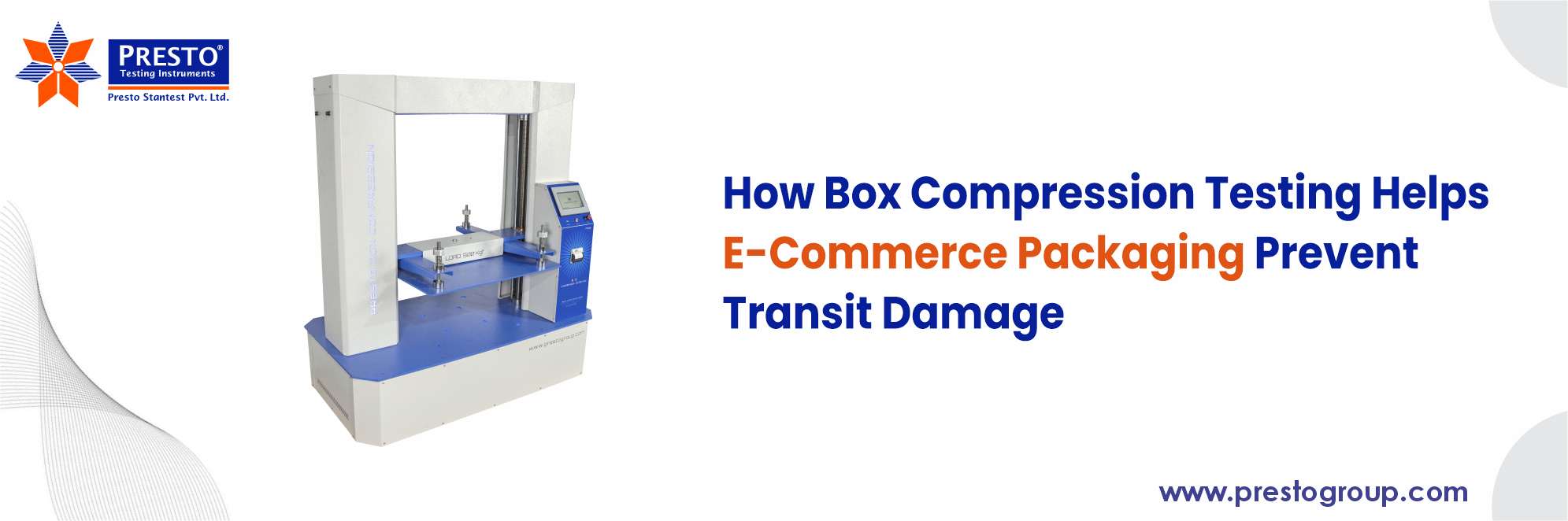
How Box Compression Testing Helps E-Commerce Packaging Prevent Transit Damage
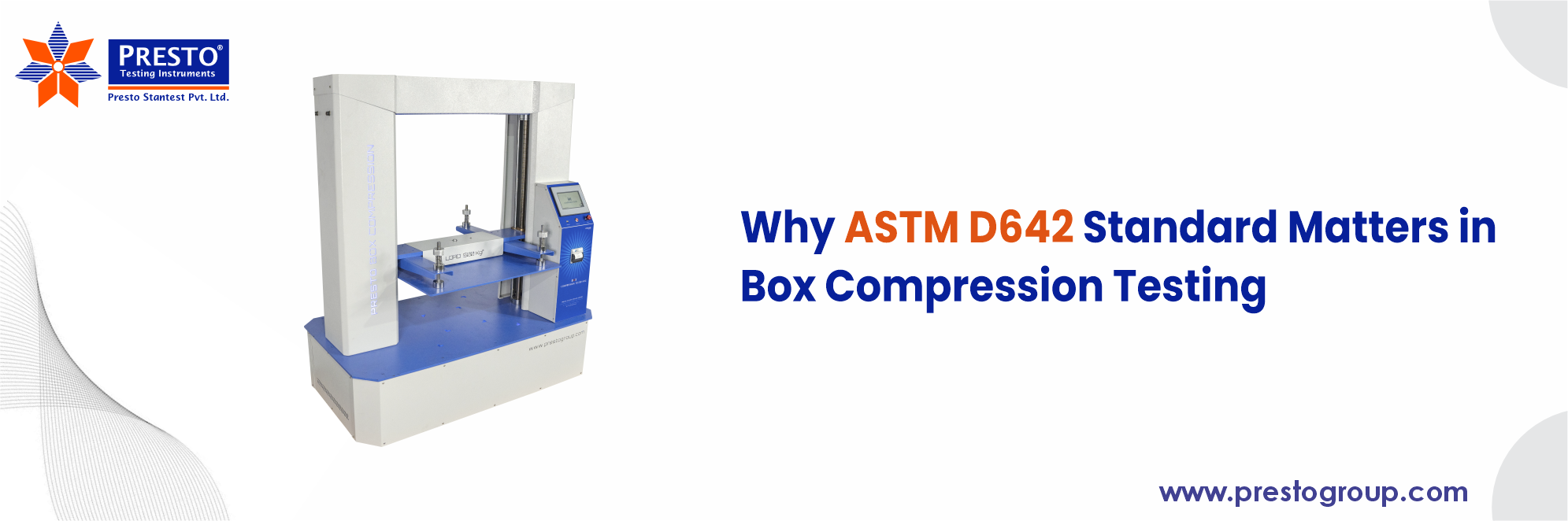
Why ASTM D642 Standard Matters in Box Compression Testing
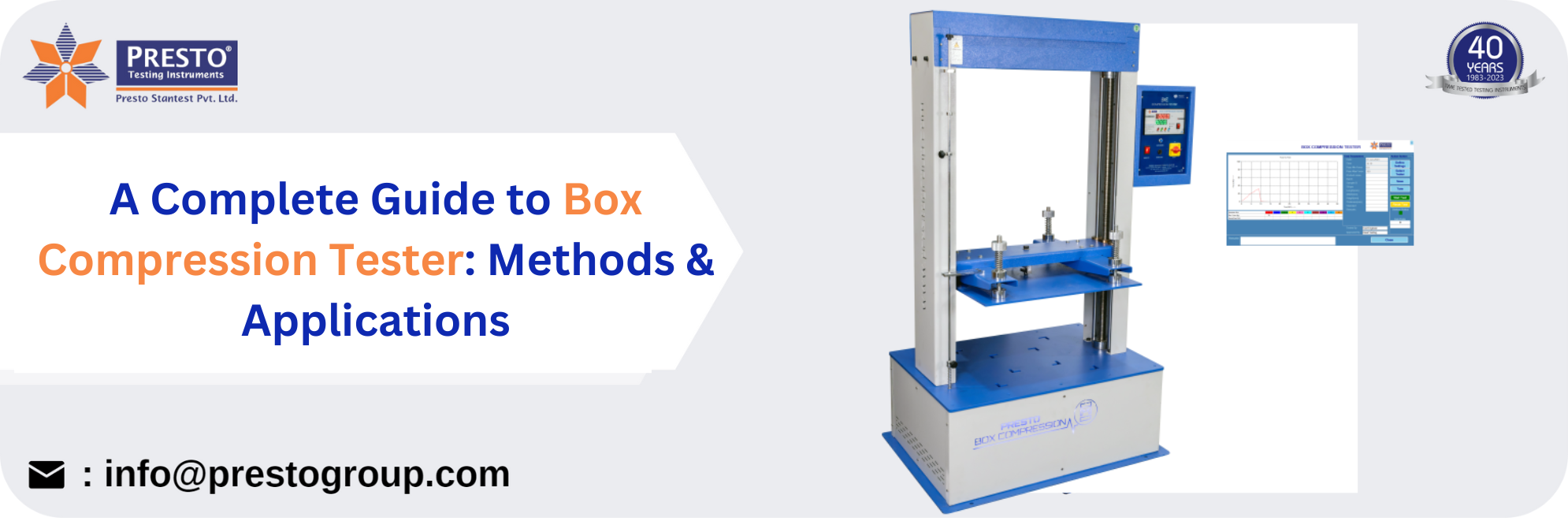
A Complete Guide to Box Compression Tester: Methods & Applications